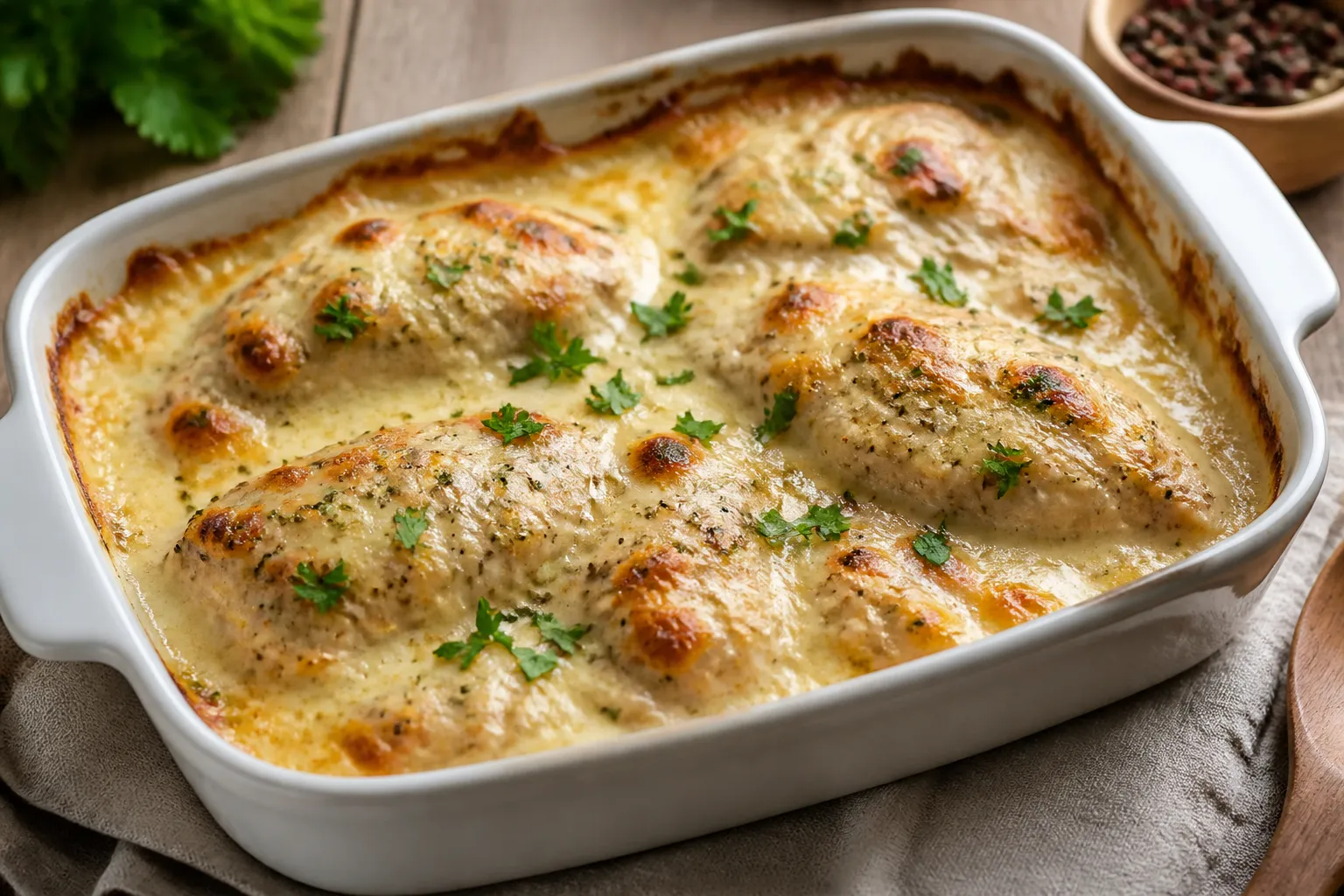
Chicken Casserole Recipes – Cozy, Easy, and Crowd-Pleasing
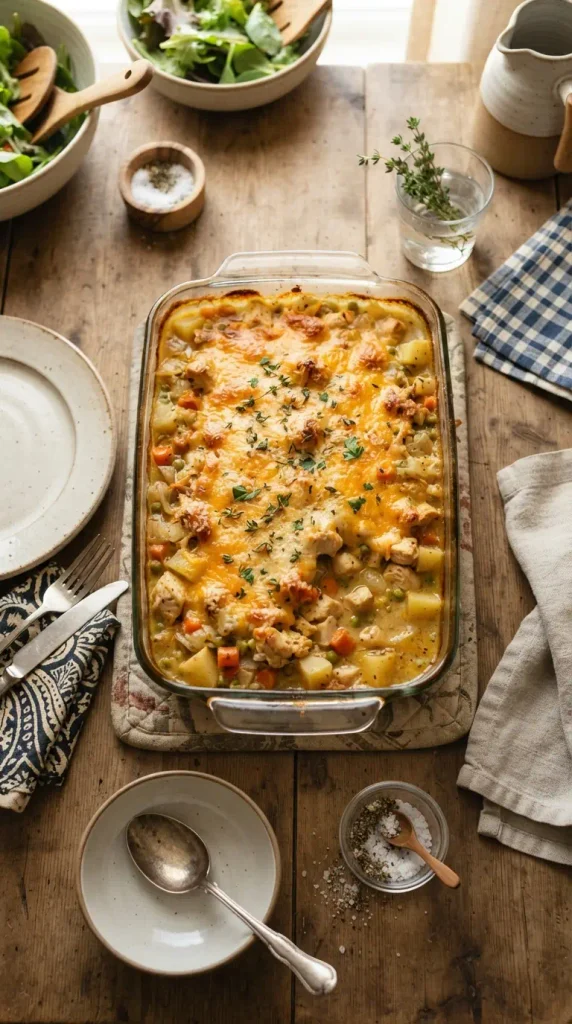
There’s something comforting about a chicken casserole coming out of the oven, golden on top and bubbling at the edges. It’s the kind of dish that makes weeknights easier and weekends feel special. You can assemble it ahead, use what you have in the fridge, and still end up with a hearty, balanced meal.
This guide walks you through a classic chicken casserole recipe, then shows you how to tweak it for different tastes and diets. If you love simple, reliable cooking with big flavor, this one’s for you.
What Makes This Special
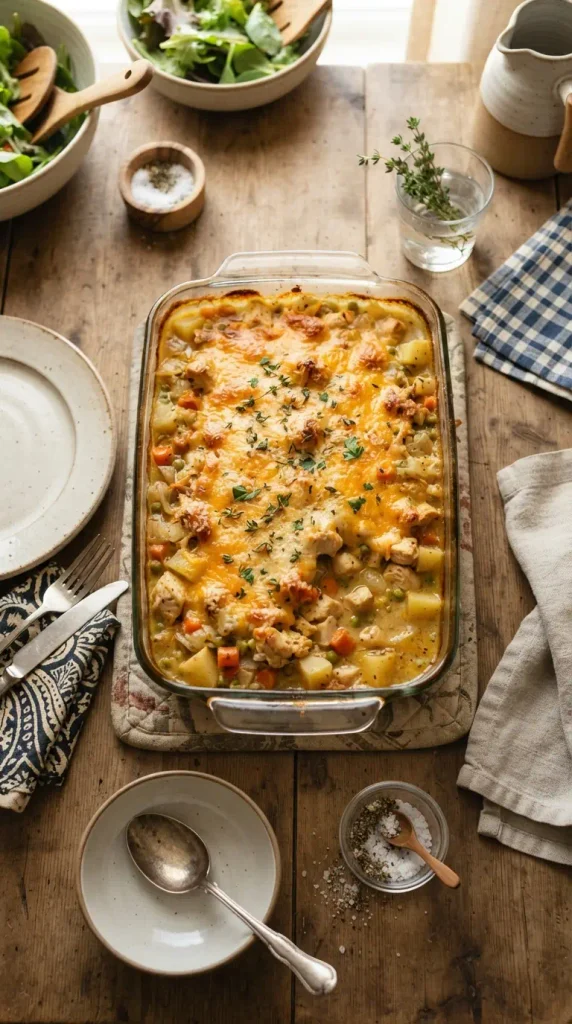
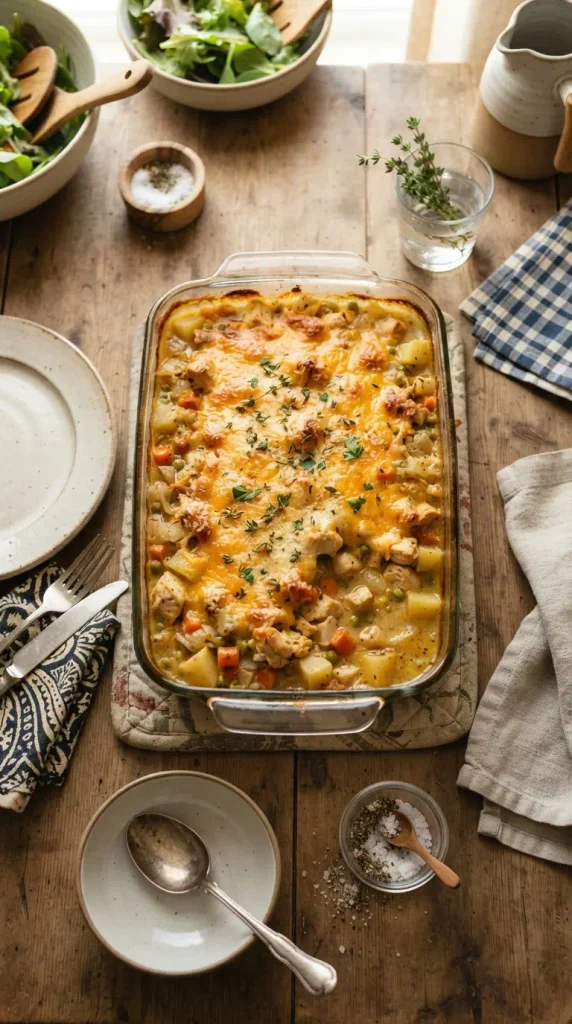
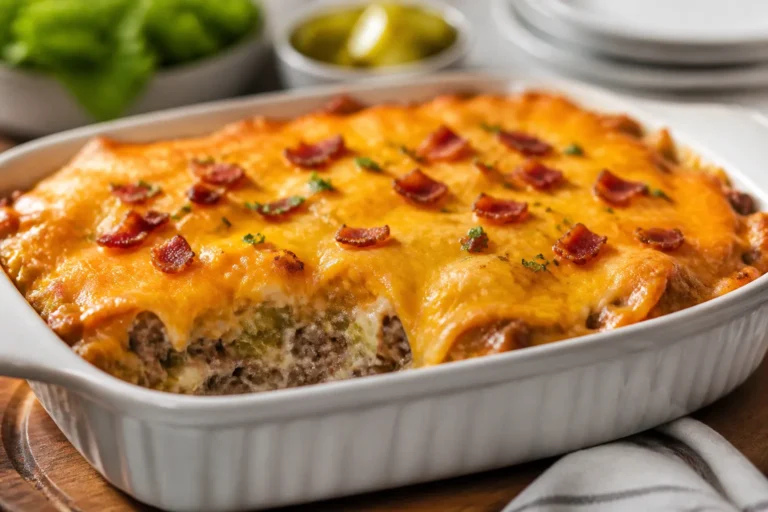
This chicken casserole hits that sweet spot between convenience and comfort. It layers tender chicken, vegetables, a creamy sauce, and a crisp topping for contrast.
The flavors are familiar and cozy, but the method is flexible, so you can adjust it to your pantry and schedule.
- Family-friendly: Mild flavors kids and adults enjoy.
- Make-ahead friendly: Assemble in the morning, bake at dinner.
- Balanced plate: Protein, veggies, and whole grains (if you choose brown rice or whole-wheat pasta).
- Budget-smart: Uses leftover chicken, frozen veggies, and pantry staples.
What You’ll Need
- Chicken: 4 cups cooked, shredded or diced (rotisserie works great)
- Vegetables: 3 cups mixed (e.g., broccoli florets, peas, carrots, or green beans; fresh or frozen)
- Base starch: 3 cups cooked rice or pasta (brown rice, white rice, egg noodles, or penne)
- Onion and garlic: 1 small onion (diced), 2–3 cloves garlic (minced)
- Binder/sauce: 1 can (10–12 oz) cream of chicken or mushroom soup or 1.5 cups homemade white sauce
- Dairy: 1 cup chicken broth, 1/2 cup sour cream or plain Greek yogurt, 1.5 cups shredded cheese (cheddar, Monterey Jack, or Swiss)
- Topping: 1 cup panko or crushed crackers, 2 tablespoons melted butter, 2 tablespoons grated Parmesan (optional)
- Seasoning: 1 teaspoon kosher salt, 1/2 teaspoon black pepper, 1 teaspoon dried thyme or Italian seasoning, 1/2 teaspoon paprika
- Olive oil or butter: 1–2 tablespoons for sautéing
- Fresh finish (optional): Chopped parsley or chives, lemon zest
How to Make It
- Preheat and prep: Heat your oven to 375°F (190°C). Lightly grease a 9×13-inch baking dish. If using frozen veggies, thaw and pat dry; if fresh, chop into bite-size pieces.
- Sauté aromatics: Warm oil or butter in a skillet over medium heat.
Add onion and cook 3–4 minutes until soft. Stir in garlic for 30 seconds until fragrant.
- Par-cook veggies (if needed): Add firmer vegetables like broccoli or carrots to the skillet with a splash of water. Cook 3–4 minutes to soften slightly.
Drain any excess liquid.
- Make the sauce: In a large bowl, whisk soup (or homemade white sauce), chicken broth, and sour cream or yogurt until smooth. Stir in thyme, paprika, salt, and pepper. Fold in 1 cup of shredded cheese.
- Combine: Add cooked chicken, vegetables, and rice or pasta to the bowl.
Mix gently until everything is coated. Taste and adjust seasoning.
- Assemble: Spread the mixture evenly in the baking dish. Sprinkle remaining cheese on top.
- Add the crunch: Mix panko with melted butter and Parmesan (if using).
Scatter over the casserole in an even layer.
- Bake: Place on the center rack and bake 25–35 minutes, until bubbling at the edges and the topping is golden. If the top browns too fast, tent loosely with foil.
- Rest and finish: Let it rest 10 minutes so it sets. Sprinkle with parsley or chives and a touch of lemon zest for brightness.
- Serve: Scoop generous portions and pair with a simple green salad or roasted vegetables.
Keeping It Fresh
- Storage: Cool, then cover and refrigerate for up to 4 days.
Store in an airtight container to avoid absorbing fridge odors.
- Reheating: Warm individual portions in the microwave in 60–90 second bursts, stirring in between. For best texture, reheat in a 350°F (175°C) oven for 15–20 minutes, covered with foil.
- Freezing: Assemble but don’t bake. Wrap tightly and freeze up to 2 months.
Thaw overnight in the fridge, then bake as directed, adding 10–15 minutes if still a bit chilled.
- Keep it crisp: If the topping softens, pop under the broiler for 1–2 minutes before serving. Watch closely.
Health Benefits
- Lean protein: Chicken supports muscle repair and keeps you full longer.
- Vegetables: Broccoli, peas, or green beans add fiber, vitamins C and K, and antioxidants.
- Balanced carbs: Choosing brown rice or whole-wheat pasta adds whole grains and sustained energy.
- Portion control: A casserole makes it easy to serve measured portions without feeling deprived.
- Lighter swaps: Greek yogurt instead of sour cream, reduced-sodium broth, and part-skim cheese can trim calories and sodium.
Pitfalls to Watch Out For
- Watery casserole: Too much moisture from frozen veggies can make it soupy. Thaw and pat dry, and drain any skillet liquid.
- Overcooked pasta: Use al dente pasta since it continues cooking in the oven.
- Bland flavor: Season each step.
Salt the cooking water for rice or pasta, and taste the sauce before baking.
- Dry chicken: Use shredded rotisserie or gently poached chicken. The sauce should coat generously before baking.
- Soggy topping: Toss crumbs with melted butter so they toast evenly, and avoid covering during baking unless the top browns too fast.
Recipe Variations
- Light and Bright: Use lemon zest, fresh dill, and spinach. Swap cream soup for a lighter yogurt-based sauce with extra chicken broth.
- Southwest Style: Add black beans, corn, diced green chiles, cumin, and chili powder.
Use Monterey Jack and top with crushed tortilla chips instead of panko.
- Mushroom and Thyme: Sauté sliced mushrooms with the onions. Use Swiss or Gruyère for deeper flavor.
- Buffalo Ranch: Stir in a few tablespoons of buffalo sauce and a drizzle of ranch. Use cheddar and add chopped celery for crunch after baking.
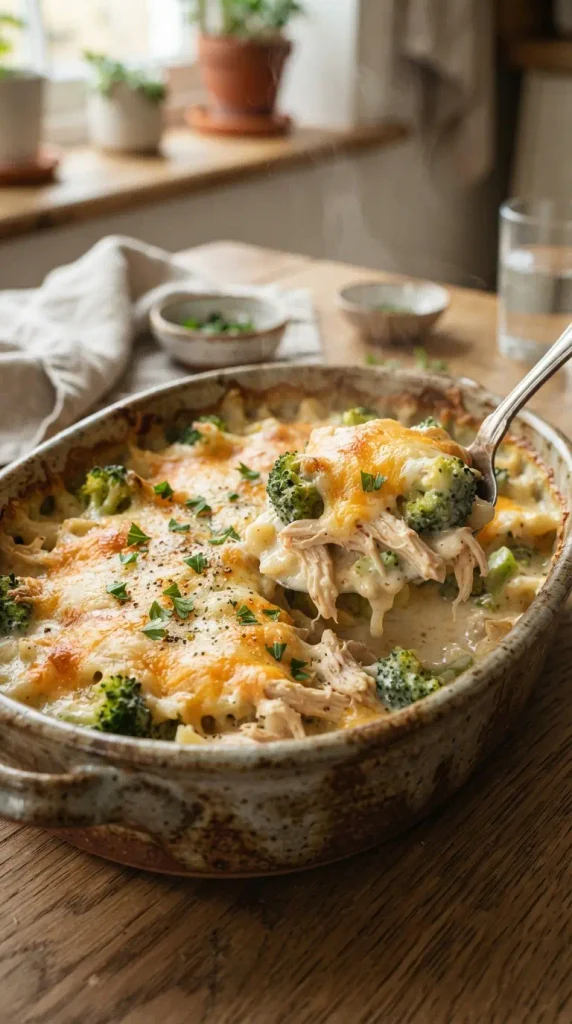
- Broccoli Cheddar Bake: Classic combo—extra broccoli and sharp cheddar.
Finish with a sprinkle of smoked paprika.
- Gluten-Free: Use cooked gluten-free pasta or rice, gluten-free cream soup or homemade sauce, and gluten-free panko or almond meal for topping.
- Dairy-Free: Use coconut milk or unsweetened almond milk for the sauce, dairy-free cheese, and olive oil in place of butter.
FAQ
Can I use raw chicken instead of cooked?
It’s best to use cooked chicken for even results. If starting with raw, dice it, season lightly, and sauté until just cooked through before adding. This keeps the casserole from getting watery and ensures the chicken cooks safely.
What can I use instead of canned soup?
Make a quick white sauce: Melt 2 tablespoons butter, whisk in 2 tablespoons flour, cook 1 minute, then slowly whisk in 1.5 cups milk or broth.
Simmer until thick, season, and use as the binder.
How do I prevent the casserole from drying out?
Make sure the mixture looks creamy before baking. If it seems stiff, add an extra 1/4–1/2 cup broth. Cover loosely with foil for the first 15 minutes if your oven runs hot.
Can I make this ahead?
Yes.
Assemble up to 24 hours in advance, cover, and refrigerate. Add the crumb topping right before baking for the best crunch. You may need to add 10 minutes to the bake time if it’s cold.
What sides go well with chicken casserole?
A crisp green salad with a tangy vinaigrette, roasted Brussels sprouts, or simple steamed green beans balance the richness.
Warm crusty bread works if you want extra comfort.
Can I use quinoa or cauliflower rice?
Quinoa works well; cook it fully and let it cool to avoid excess moisture. Cauliflower rice is fine, but sauté it first to drive off water and keep the casserole from getting soggy.
How do I make it spicier?
Add red pepper flakes, diced jalapeño, or a splash of hot sauce to the sauce. Pepper Jack cheese also adds a gentle kick.
What cheese melts best?
Monterey Jack and mild cheddar melt smoothly.
For stronger flavor with good melt, try fontina or a blend of cheddar and mozzarella.
Is it safe to freeze after baking?
Yes. Cool completely, wrap well, and freeze up to 2 months. Reheat covered at 350°F (175°C) until hot in the center, then uncover to re-crisp the topping.
How do I scale the recipe?
For a smaller batch, halve everything and bake in an 8×8-inch dish, reducing bake time slightly.
For a crowd, double and use two 9×13-inch pans, rotating halfway through baking.
Final Thoughts
Chicken casserole recipes are the kind of cooking you can count on—simple steps, flexible ingredients, and a cozy payoff. Once you learn the base method, you can take it any direction you like, from bright and herby to bold and spicy. Keep a few shortcuts on hand, taste as you go, and don’t skip the crunchy topping.
With that, dinner practically makes itself—and everyone comes back for seconds.