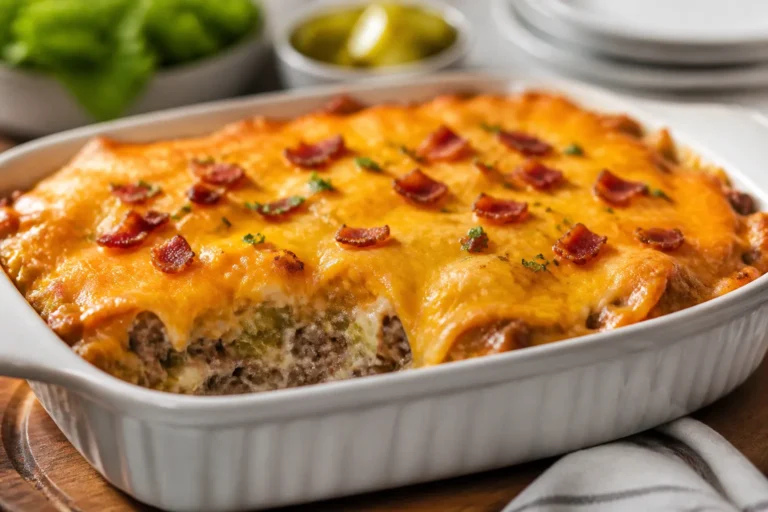
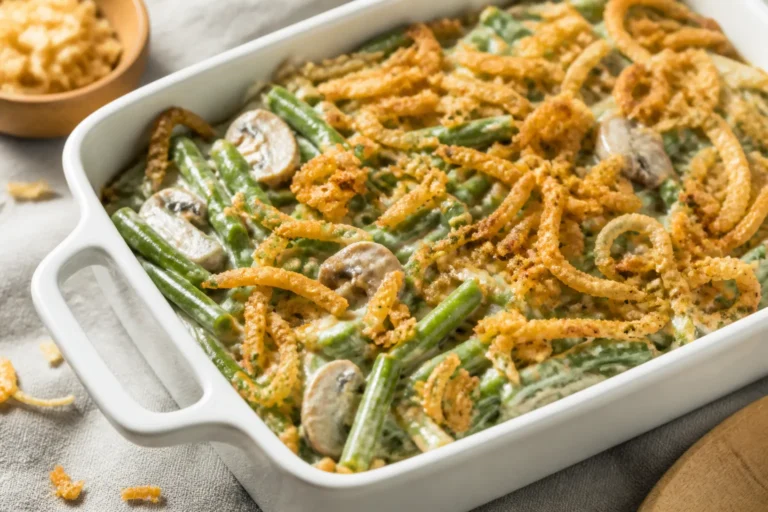
Egg Casserole Recipes – Easy, Satisfying, and Perfect for Any Morning
Egg casserole recipes are the kind of comforting, no-fuss dishes that make mornings easier. They feed a crowd, welcome substitutions, and taste just as good on a lazy Sunday as they do on a busy weekday. If you like hearty, make-ahead breakfasts, this is your friend.
You can keep it classic with sausage and cheese, or make it lighter with veggies and herbs. Either way, it’s simple, reliable, and always satisfying.
Why This Recipe Works
This egg casserole is built on a few smart ideas that make it both tasty and foolproof. Whisked eggs and dairy create a custard that bakes up tender, not rubbery, while a base of bread or hash browns gives structure and soaks up flavor.
Browning the meat and sautéing the vegetables first adds depth and prevents excess moisture. Finally, a generous layer of cheese locks in richness and helps the top turn golden and bubbly.
It’s also incredibly flexible. You can assemble it the night before, stash it in the fridge, and bake in the morning.
Or make it ahead and reheat slices through the week. It’s the kind of recipe that bends to your schedule and your pantry.
Ingredients
- 10 large eggs
- 1 cup milk (whole or 2% for a creamier texture; use half-and-half for extra richness)
- 1 cup shredded cheese (cheddar, Monterey Jack, or Swiss)
- 12 ounces breakfast sausage (pork or turkey), casings removed
- 2 cups frozen hash browns (thawed) or 4 cups cubed day-old bread
- 1 small onion, diced
- 1 bell pepper, diced
- 1 cup chopped spinach (fresh or frozen, squeezed dry)
- 2 cloves garlic, minced
- 1 teaspoon kosher salt, plus more to taste
- 1/2 teaspoon black pepper
- 1/2 teaspoon smoked paprika (optional)
- 1/4 teaspoon red pepper flakes (optional, for heat)
- 2 tablespoons olive oil or butter
- Fresh herbs (chives, parsley, or dill), chopped, for garnish
- Cooking spray or extra butter, for the baking dish
Step-by-Step Instructions
- Prep the pan and oven. Heat the oven to 350°F (175°C). Grease a 9×13-inch baking dish with cooking spray or butter.
- Brown the sausage. In a large skillet over medium heat, cook the sausage, breaking it up with a spoon, until browned and cooked through.
Transfer to a paper towel–lined plate.
- Sauté the veggies. In the same skillet, add olive oil if the pan looks dry. Cook the onion and bell pepper with a pinch of salt until softened, about 5–7 minutes. Stir in garlic and spinach, and cook 1–2 minutes more.
Remove from heat.
- Build the base. Spread the hash browns (or bread cubes) evenly in the greased baking dish. Scatter the cooked sausage and vegetable mixture over the top.
- Make the custard. In a large bowl, whisk eggs, milk, salt, pepper, smoked paprika, and red pepper flakes until smooth and well combined.
- Add cheese and pour. Stir half the cheese into the egg mixture. Pour evenly over the casserole base.
Sprinkle the remaining cheese on top.
- Rest (optional but helpful). Let the casserole sit for 10–15 minutes to allow the bread or potatoes to soak up the custard. For overnight prep, cover and refrigerate up to 12 hours.
- Bake. Place on the center rack and bake 35–45 minutes, until the center is set and the top is golden. A knife inserted near the center should come out mostly clean.
- Cool and garnish. Let it stand 5–10 minutes before slicing.
Top with chopped herbs for freshness.
- Serve. Cut into squares and serve warm with salsa, hot sauce, or a simple green salad.
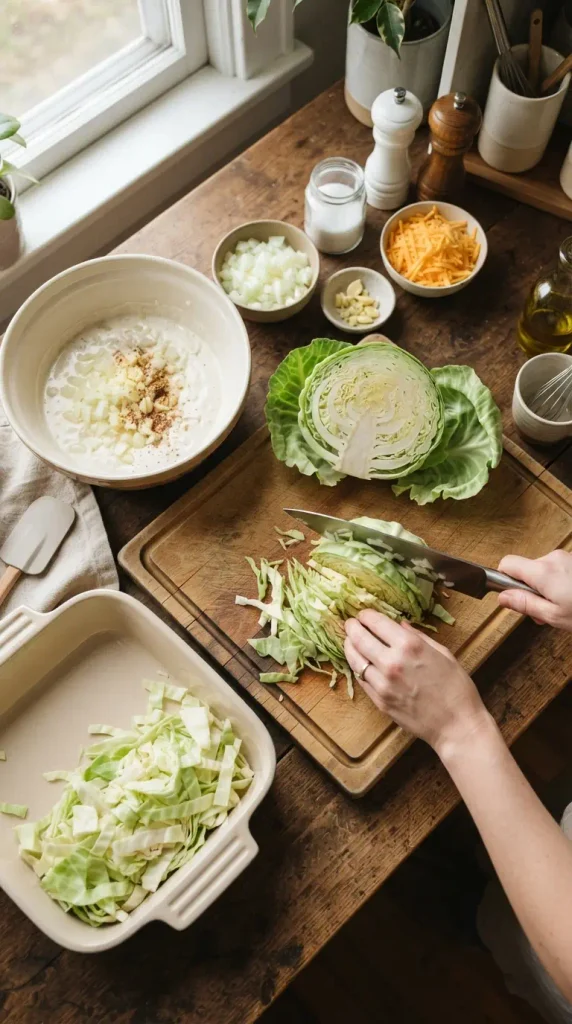
How to Store
- Refrigerate: Cool completely, then cover tightly or transfer to an airtight container. Store for 3–4 days.
- Freeze: Wrap individual portions in foil or freezer bags for up to 2 months. Label with the date.
- Reheat: Microwave slices 60–90 seconds, or bake, covered, at 325°F (165°C) for 10–15 minutes until warmed through.
- Meal prep tip: Bake in two 8×8 pans.
Eat one this week, freeze the other for later.
Why This is Good for You
Eggs provide high-quality protein that keeps you full longer, which helps steady energy throughout the morning. Vegetables add fiber, vitamins, and antioxidants, and they make every bite more interesting. Using turkey sausage or reducing the cheese slightly trims saturated fat without sacrificing flavor.
Pair with fruit or a leafy salad and you’ve got a balanced meal.
Pitfalls to Watch Out For
- Watery casserole: Squeeze moisture from spinach and cook veggies until most liquid evaporates. If using frozen hash browns, thaw and pat dry.
- Rubbery texture: Don’t overbake. Pull it from the oven as soon as the center is set and no longer jiggly.
- Bland flavor: Season each layer lightly.
Salt the veggies while sautéing, and don’t skip herbs or a touch of paprika.
- Soggy bottom: If using bread, choose day-old or toast it first. If using hash browns, spread them in a dry layer.
- Uneven baking: Use the middle rack and a metal 9×13 if possible. Glass can run hotter on the edges; start checking early.

Alternatives
- Meat swaps: Use cooked bacon, diced ham, shredded rotisserie chicken, or vegetarian sausage.
For a lighter option, skip meat and add extra veggies and beans.
- Cheese choices: Try pepper jack for heat, feta for tang, Gruyère for nutty richness, or goat cheese for creaminess.
- Veggie variations: Mushrooms, zucchini, broccoli, roasted red peppers, or tomatoes (seeded) all work. Roast watery vegetables first for best texture.
- Base options: Replace hash browns or bread with cooked quinoa, brown rice, or roasted sweet potato cubes for a heartier, gluten-free base.
- Dairy-free: Use unsweetened almond or oat milk and a dairy-free cheese. Add an extra egg to help it set.
- Spice profiles: Go Italian with basil and mozzarella, Southwestern with cumin and salsa, or Greek with oregano, olives, and feta.
- Mini casseroles: Bake in greased muffin tins at 350°F (175°C) for 18–22 minutes for grab-and-go portions.
FAQ
Can I make egg casserole the night before?
Yes.
Assemble it, cover tightly, and refrigerate overnight. In the morning, uncover and bake. Add a few extra minutes to the bake time since it starts cold.
How do I know when it’s done?
The center should be set with no visible liquid, and a knife inserted near the middle should come out mostly clean.
The top will be lightly golden and the edges slightly puffed.
Can I use egg whites only?
You can use a mix of whole eggs and whites for a lighter casserole. Try 6 whole eggs plus 6 egg whites, and keep the dairy the same. Expect a slightly less rich texture.
What’s the best pan size?
A 9×13-inch dish is the standard.
For thicker slices, use a slightly smaller deeper dish and increase bake time. For a thinner bake, use a rimmed sheet pan and reduce bake time.
Why is my casserole watery the next day?
Vegetables can release moisture as they sit. Make sure to pre-cook and drain them well.
Also, let the casserole cool before covering to prevent steam from collecting under the lid.
Can I add raw vegetables?
It’s better to cook them first. Sautéing or roasting removes excess moisture and concentrates flavor, which keeps the casserole from getting soggy.
What can I serve with it?
Fresh fruit, avocado slices, a simple arugula salad, or toast are great. For brunch, add coffee and orange juice or a light sparkling drink.
How do I keep the top from over-browning?
If it’s browning too fast, tent the dish loosely with foil during the last 10–15 minutes of baking.
This shields the top while the center finishes setting.
In Conclusion
Egg casserole recipes are reliable, customizable, and perfect for feeding people without stress. With a solid base, a well-seasoned custard, and a flavorful mix of add-ins, you get a golden, creamy bake every time. Make it ahead, tweak it to your taste, and keep a few slices on hand for quick breakfasts.
Simple, hearty, and always welcome at the table.
Printable Recipe Card
Want just the essential recipe details without scrolling through the article? Get our printable recipe card with just the ingredients and instructions.