Pasta Dinner Recipe – Simple, Cozy, and Ready Tonight
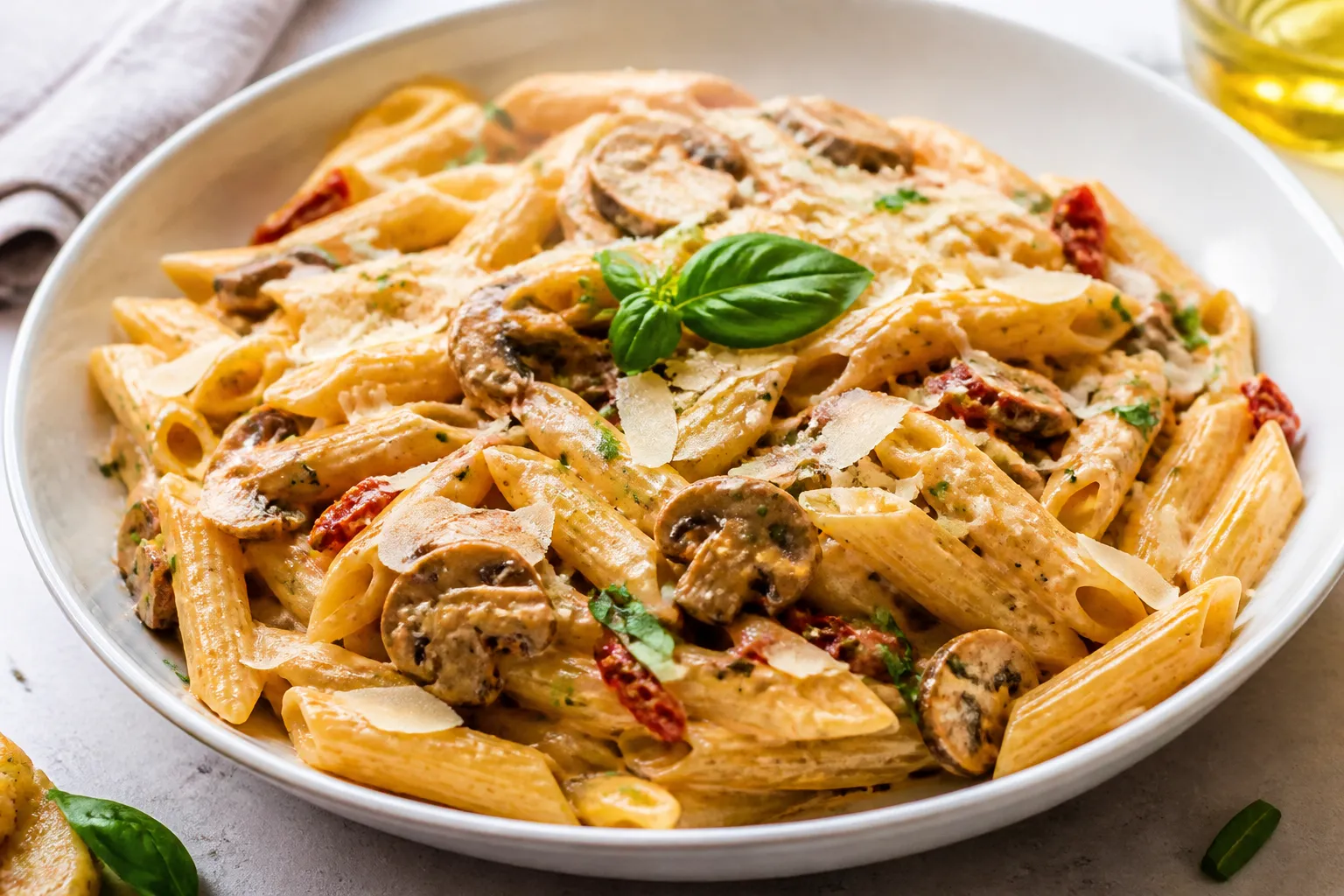
When you’re craving something warm and satisfying, a good pasta dinner never lets you down. This recipe gives you tender pasta tossed in a glossy tomato-garlic sauce with fresh herbs, a touch of creaminess, and a little heat. It’s simple enough for a weeknight, yet it feels special enough to share.
You’ll use pantry staples, build big flavor fast, and end up with a dish that tastes like you worked harder than you did. Grab a pot, turn on some music, and let’s get cooking.
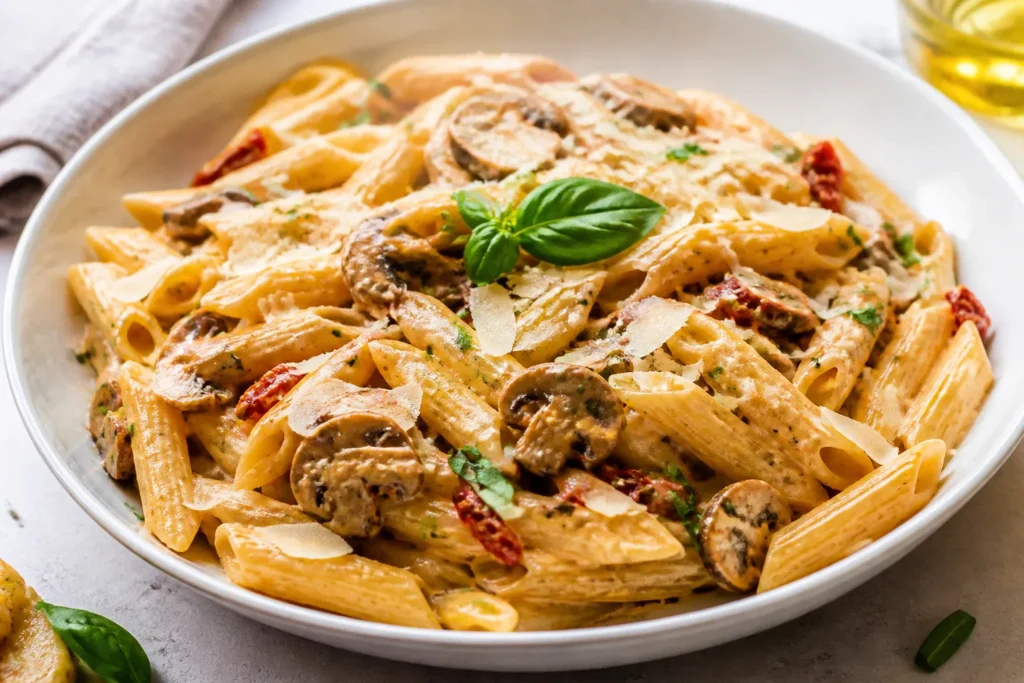
What Makes This Special
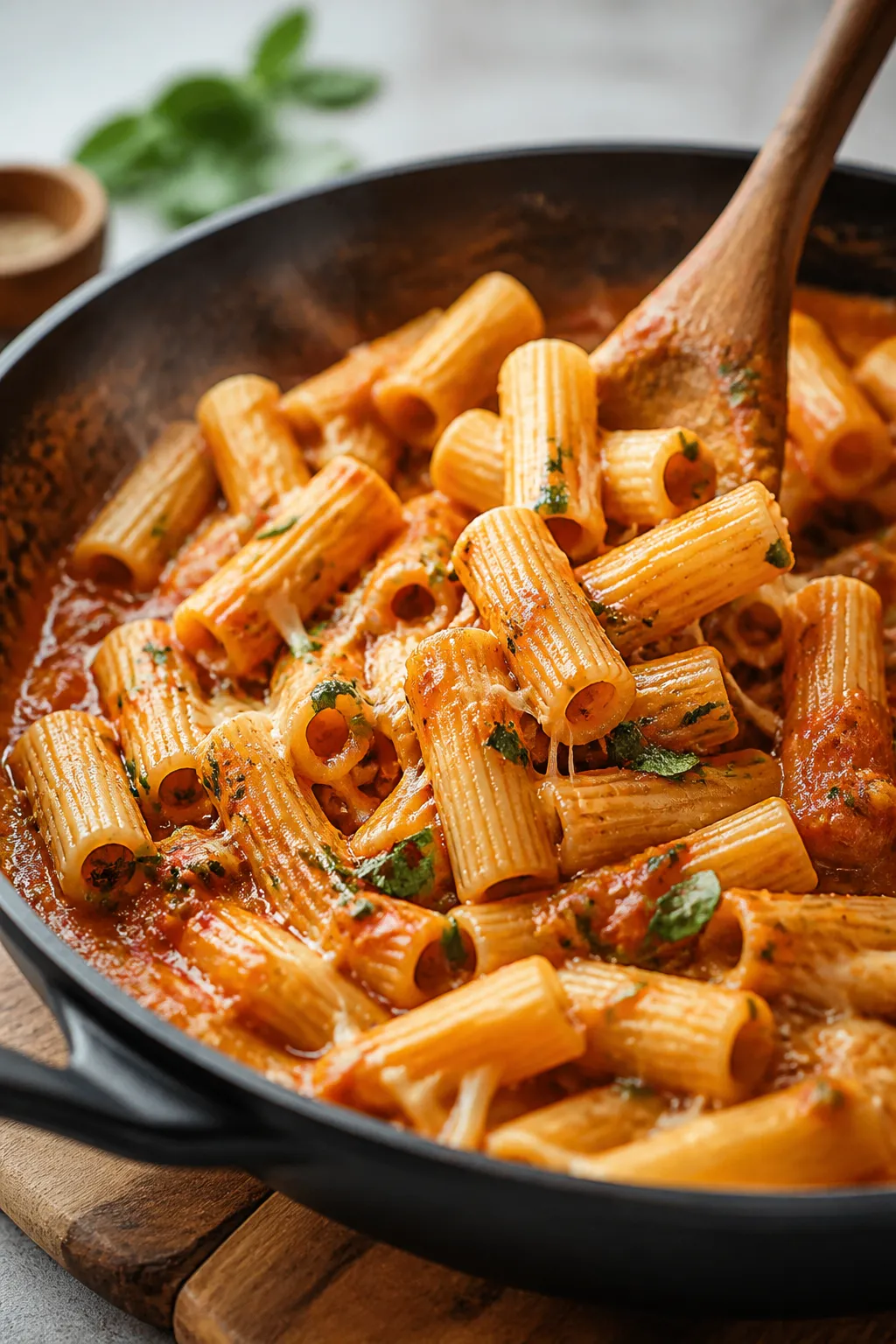
This pasta dinner recipe delivers comfort without fuss. The sauce starts with olive oil, garlic, and tomato, then leans on a few tricks—like starchy pasta water and a knob of butter—to get silky.
Fresh basil brightens everything at the end, while red pepper flakes bring a gentle kick. It’s adaptable, quick, and tastes like a cozy night in.
Ingredients
- 12 ounces pasta (penne, rigatoni, or spaghetti)
- 2 tablespoons extra-virgin olive oil
- 4 cloves garlic, thinly sliced
- 1/4 teaspoon red pepper flakes (more to taste)
- 1 can (28 ounces) crushed tomatoes (preferably San Marzano)
- 1 teaspoon sugar (optional, to balance acidity)
- 1 teaspoon kosher salt, plus more for pasta water
- 1/2 teaspoon freshly ground black pepper
- 2 tablespoons unsalted butter (for silkiness)
- 1/3 cup grated Parmesan or Pecorino Romano, plus more for serving
- 1/2 cup fresh basil leaves, torn
- 1/4 cup chopped fresh parsley (optional)
- 1/4 to 1/2 cup reserved starchy pasta water
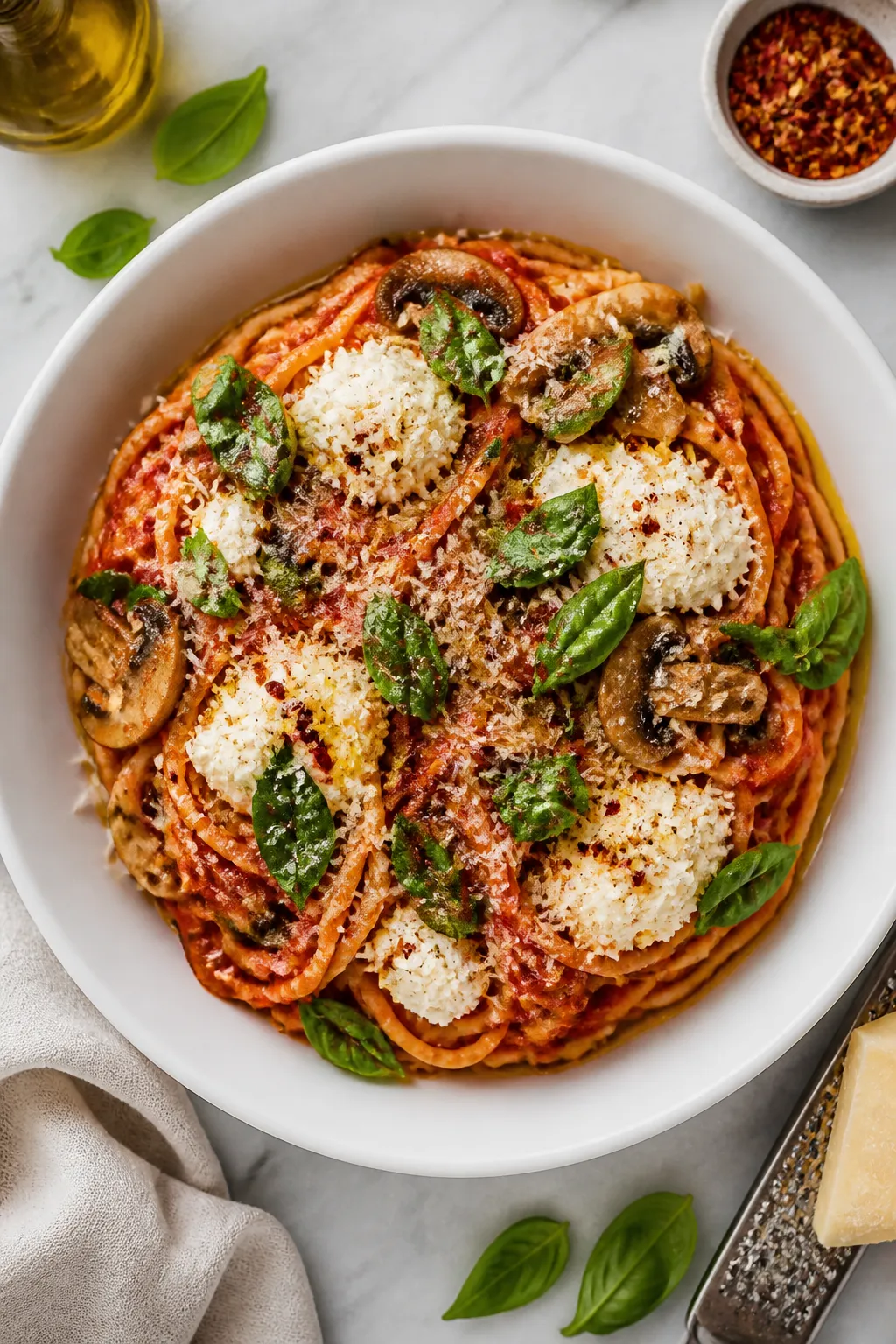
- Optional add-ins: 1/2 cup ricotta, cooked Italian sausage, sautéed mushrooms, or baby spinach
Instructions
- Boil the pasta. Bring a large pot of well-salted water to a rolling boil. Add the pasta and cook until just shy of al dente, 1–2 minutes less than package directions.
Scoop out and reserve about 1 cup of pasta water, then drain.
- Warm the oil and garlic. While the pasta cooks, heat olive oil in a wide skillet over medium. Add the sliced garlic and red pepper flakes. Stir until the garlic is fragrant and just turning golden at the edges, about 60–90 seconds.
Don’t let it brown too much.
- Build the sauce. Pour in the crushed tomatoes. Add salt, pepper, and sugar if the tomatoes taste sharp. Simmer gently for 8–10 minutes, stirring occasionally, until the sauce thickens slightly and the flavors meld.
- Make it silky. Stir in the butter until melted.
Add a splash of reserved pasta water (start with 1/4 cup) to loosen the sauce and give it a glossy finish.
- Toss with pasta. Add the drained pasta to the skillet and toss to coat, cooking together for 1–2 minutes. Sprinkle in the grated cheese, tossing as it melts. Add a bit more pasta water as needed so the sauce clings to each piece.
- Finish with herbs. Remove from heat.
Fold in the basil and parsley. Taste and adjust salt, pepper, and heat.
- Serve. Plate with extra Parmesan and a drizzle of good olive oil. If using ricotta, dot spoonfuls over the top.
Serve hot.
Keeping It Fresh
Leftovers keep well for up to 3 days in an airtight container in the fridge. Add a splash of water when reheating on the stove to revive the sauce. For the microwave, cover loosely and heat in short bursts, stirring in between.
If you plan to store, cook the pasta a touch firmer than usual—it holds up better. Fresh basil can lose its pop in the fridge, so add a few new torn leaves when serving leftovers.
Health Benefits
Tomatoes bring lycopene, an antioxidant linked to heart health and reduced inflammation. Olive oil adds healthy monounsaturated fats that support cholesterol balance.
Garlic offers allicin, which may help immune function. If you choose whole-grain pasta, you’ll get more fiber to support digestion and steady energy. Adding vegetables—like spinach, mushrooms, or zucchini—ups vitamins and minerals without much effort.
Common Mistakes to Avoid
- Under-salting the pasta water. Salty water is your first seasoning step.
It makes the pasta itself taste good.
- Overcooking the garlic. Burnt garlic turns bitter fast. Keep heat moderate and move quickly.
- Skipping pasta water. That starchy liquid is your secret to a smooth, clingy sauce. Don’t drain it all away.
- Adding cheese too early. If the sauce is boiling hard, cheese can clump.
Lower the heat before stirring it in.
- Overcooking the pasta. Slightly underdone pasta finishes in the sauce and holds texture.
Alternatives
- Protein swaps: Brown Italian sausage, rotisserie chicken, or sautéed shrimp. For vegetarian protein, add white beans or crispy chickpeas.
- Creamy twist: Stir in 1/4 cup heavy cream or a few spoonfuls of ricotta for a rich, blushing sauce.
- Veggie boost: Sauté mushrooms, bell peppers, or zucchini with the garlic. Wilt in spinach at the end.
- Herb variations: Try oregano or thyme with basil, or finish with lemon zest and parsley for brightness.
- Pasta shapes: Short shapes like rigatoni or penne cling to chunky sauces; spaghetti or bucatini give a classic slurp.
- Dairy-free: Skip butter and cheese; finish with extra olive oil and toasted breadcrumbs for crunch.
- Gluten-free: Use a quality gluten-free pasta and watch the cook time closely.
FAQ
Can I use fresh tomatoes instead of canned?
Yes.
Use about 2 pounds of ripe tomatoes, peeled or grated, and cook a bit longer to concentrate the flavor. You may need a pinch of sugar to balance acidity.
What if my sauce tastes flat?
Add a small pinch of salt, a crack of pepper, and a drizzle of olive oil. A splash of pasta water can wake it up, and finishing with fresh basil or a squeeze of lemon brightens everything.
How spicy is this recipe?
It’s mildly spicy with 1/4 teaspoon red pepper flakes.
Adjust to your comfort level—use less for gentle warmth or more for a noticeable kick.
Can I make it ahead?
You can make the sauce a day in advance and refrigerate it. Reheat gently and toss with freshly cooked pasta, adding pasta water to achieve the right consistency.
What cheese works best?
Parmesan and Pecorino Romano both work well. Parmesan is nutty and mellow; Pecorino is saltier and sharper.
Use what you like, or mix them.
How do I avoid watery sauce?
Let the tomatoes simmer until slightly thickened, and add pasta water in small amounts. The goal is a sauce that clings, not pools.
Can I add wine to the sauce?
Yes. After sautéing garlic, add 1/4 cup dry white wine and let it reduce by half before adding tomatoes.
It adds depth and a subtle tang.
Is whole-wheat pasta a good option?
Absolutely. It’s higher in fiber and adds a nutty flavor. Just be sure not to overcook it, as whole-wheat pasta can go soft quickly.
In Conclusion
This pasta dinner recipe proves that simple ingredients can deliver big flavor.
With a good tomato base, plenty of garlic, and a few smart finishing touches, you’ll have a bowl that’s cozy, balanced, and satisfying. Keep the method, swap the add-ins, and make it your own. It’s the kind of meal you’ll come back to on busy nights and slow Sundays alike.
Pasta Dinner Recipe - Simple, Cozy, and Ready Tonight
Ingredients
- 12 ounces pasta (penne, rigatoni, or spaghetti)
- 2 tablespoons extra-virgin olive oil
- 4 cloves garlic, thinly sliced
- 1/4 teaspoon red pepper flakes (more to taste)
- 1 can (28 ounces) crushed tomatoes (preferably San Marzano)
- 1 teaspoon sugar (optional, to balance acidity)
- 1 teaspoon kosher salt, plus more for pasta water
- 1/2 teaspoon freshly ground black pepper
- 2 tablespoons unsalted butter (for silkiness)
- 1/3 cup grated Parmesan or Pecorino Romano, plus more for serving
- 1/2 cup fresh basil leaves, torn
- 1/4 cup chopped fresh parsley (optional)
- 1/4 to 1/2 cup reserved starchy pasta water
- Optional add-ins: 1/2 cup ricotta, cooked Italian sausage, sautéed mushrooms, or baby spinach
Method
- Boil the pasta. Bring a large pot of well-salted water to a rolling boil. Add the pasta and cook until just shy of al dente, 1–2 minutes less than package directions. Scoop out and reserve about 1 cup of pasta water, then drain.
- Warm the oil and garlic. While the pasta cooks, heat olive oil in a wide skillet over medium. Add the sliced garlic and red pepper flakes. Stir until the garlic is fragrant and just turning golden at the edges, about 60–90 seconds. Don’t let it brown too much.
- Build the sauce. Pour in the crushed tomatoes. Add salt, pepper, and sugar if the tomatoes taste sharp. Simmer gently for 8–10 minutes, stirring occasionally, until the sauce thickens slightly and the flavors meld.
- Make it silky. Stir in the butter until melted. Add a splash of reserved pasta water (start with 1/4 cup) to loosen the sauce and give it a glossy finish.
- Toss with pasta. Add the drained pasta to the skillet and toss to coat, cooking together for 1–2 minutes. Sprinkle in the grated cheese, tossing as it melts. Add a bit more pasta water as needed so the sauce clings to each piece.
- Finish with herbs. Remove from heat. Fold in the basil and parsley. Taste and adjust salt, pepper, and heat.
- Serve. Plate with extra Parmesan and a drizzle of good olive oil. If using ricotta, dot spoonfuls over the top. Serve hot.
Let us know how it was! ♡

One Comment