Alfredo Pasta, Food. Pasta and Cheese – A Creamy Classic Made Simple
Creamy, comforting, and ready in minutes, Alfredo pasta is the kind of dish you crave on a busy weeknight or a cozy weekend. It’s rich but straightforward, built from a short list of everyday ingredients you probably already have.
No fancy tricks, just good butter, real cheese, and perfectly cooked pasta. If you love a silky, cheesy sauce that clings to every strand, this is your go-to. Let’s make a version that feels restaurant-worthy but tastes like home.
What Makes This Recipe So Good
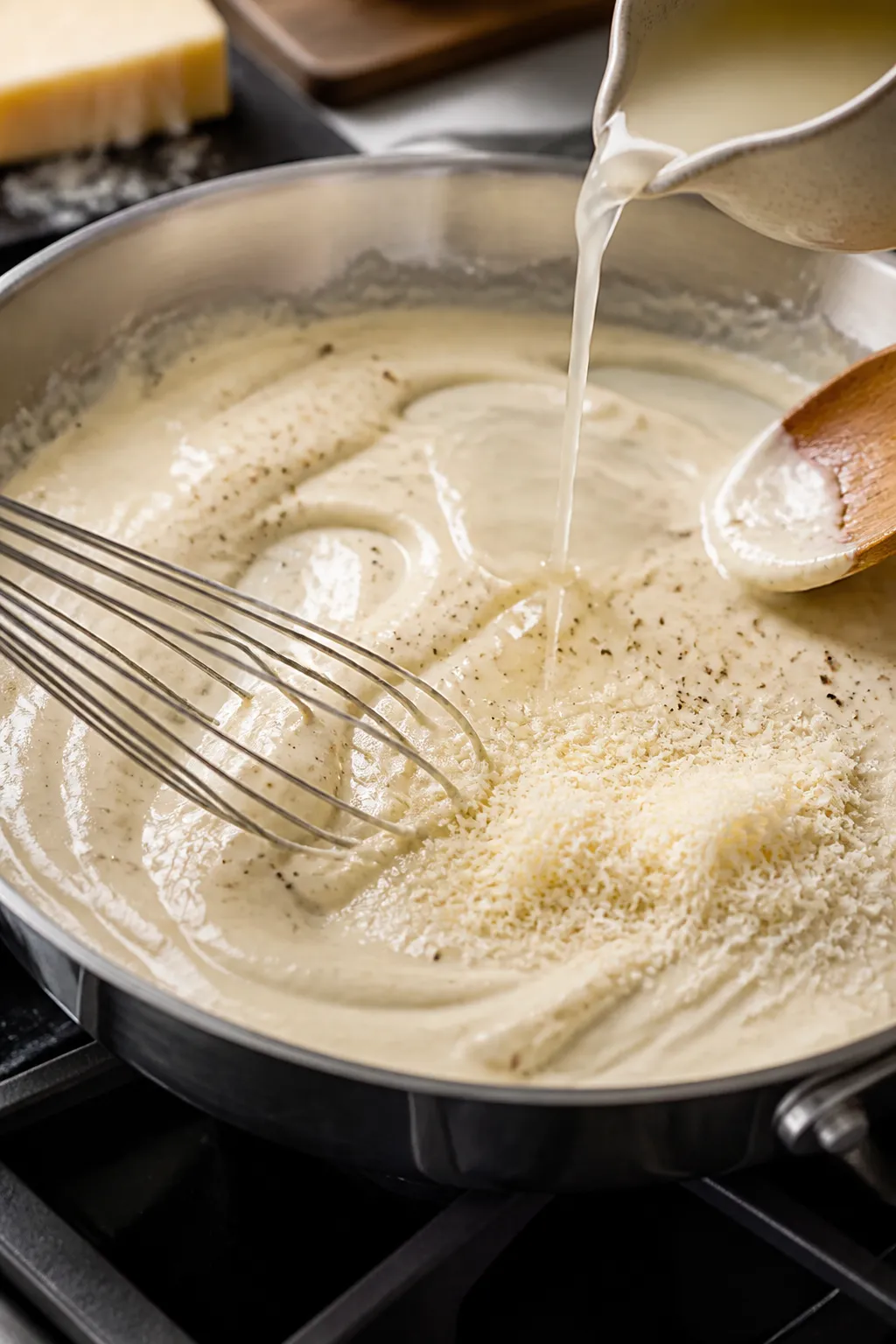
This Alfredo keeps it classic: butter, cream, Parmesan, and pasta.
No thickeners, no shortcuts. Just gentle heat and a whisk do all the work.
- Incredibly simple: A handful of ingredients, one pot for pasta, one pan for sauce.
- Silky texture: The cheese melts into cream and butter for a glossy, clingy sauce.
- Balanced flavor: Black pepper and a touch of garlic bring warmth without overpowering the cheese.
- Flexible base: Add chicken, shrimp, or veggies without changing the core method.
- Weeknight-fast: You can be at the table in 20–25 minutes.
Shopping List
- Fettuccine or linguine (12–16 ounces)
- Unsalted butter (6 tablespoons)
- Heavy cream (1 cup), or half-and-half for a lighter version
- Freshly grated Parmesan cheese (1 to 1 1/2 cups), plus extra for serving
- Garlic (1–2 cloves), finely minced or grated
- Kosher salt and freshly ground black pepper
- Pasta cooking water (reserve about 1 cup)
- Optional: Fresh parsley or chives for garnish, lemon zest, red pepper flakes
How to Make It
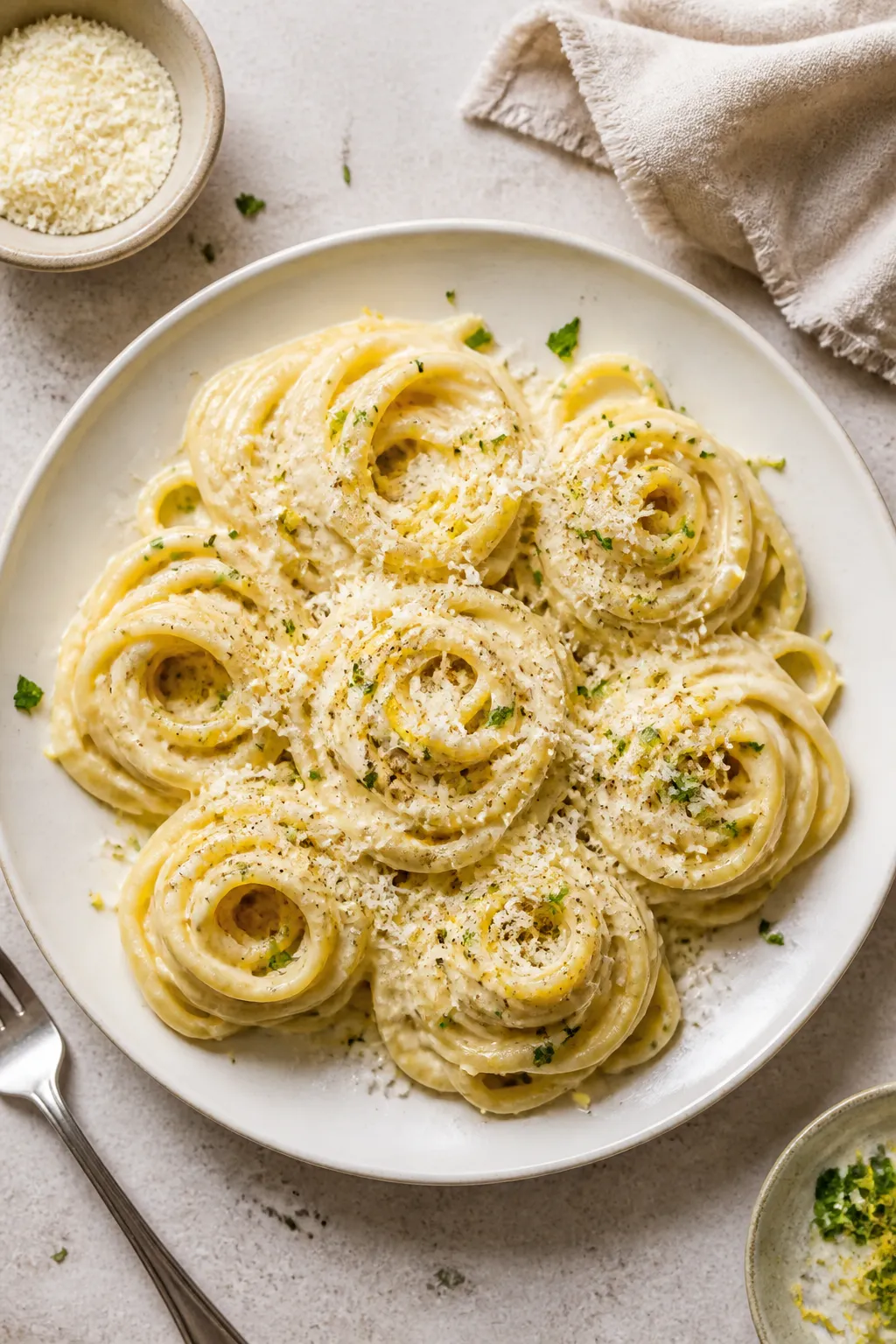
- Boil the pasta: Bring a large pot of well-salted water to a rolling boil. Add fettuccine and cook until just shy of al dente. Reserve 1 cup of pasta water before draining.
- Melt the butter: In a wide skillet over low heat, melt the butter gently.
Don’t brown it. Add the garlic and cook for about 30 seconds until fragrant.
- Add the cream: Pour in the cream and a pinch of salt and pepper. Simmer on low heat for 2–3 minutes, just until slightly thickened.
Keep it gentle; you don’t want it to boil hard.
- Whisk in Parmesan: Take the pan off the heat. Sprinkle in the Parmesan in small handfuls, whisking constantly until smooth. If it’s too thick, add a splash of pasta water to loosen.
- Toss with pasta: Add the drained pasta to the sauce and toss over low heat for 1–2 minutes.
Add pasta water, a little at a time, until the sauce turns glossy and coats the noodles.
- Taste and finish: Adjust salt, add more pepper, and a touch of lemon zest if you like. Top with extra Parmesan and chopped parsley.
- Serve immediately: Alfredo is best hot and fresh while the sauce is silky and fluid.
Keeping It Fresh
Alfredo tastes best right away, but you can store leftovers. Cool the pasta quickly and transfer it to an airtight container.
- Refrigerate: Up to 3 days.
- Reheat gently: Warm in a skillet over low heat with a splash of cream or milk and a bit of pasta water or regular water.
Stir until it loosens and turns smooth again.
- Avoid microwaving on high: It can split the sauce. If you use a microwave, do short bursts on low power with stirring in between.
- Freezing: Not ideal. Cream sauces often separate after thawing.
Why This is Good for You
Alfredo is a comfort dish, but it can still fit into a balanced diet.
It’s rich, so portion size matters. Pairing it with a big green salad or roasted vegetables helps round out the meal.
- Protein and calcium: Parmesan provides both, along with savory umami that satisfies with smaller servings.
- Energy: Pasta offers steady carbs for fuel, especially if you choose a whole-wheat option.
- Customizable: Add lean proteins like chicken breast, shrimp, or chickpeas, and toss in fiber-rich veggies such as broccoli or peas.
If you want a lighter plate, use half-and-half, reduce the butter slightly, and add steamed vegetables to increase volume without adding much fat.
What Not to Do
- Don’t boil the cream hard: High heat can cause the sauce to break and the cheese to clump.
- Don’t use pre-shredded cheese: It often contains anti-caking agents that prevent smooth melting. Freshly grated is key.
- Don’t skip the pasta water: That starchy liquid is your secret to a glossy, emulsified sauce.
- Don’t overcook the pasta: It will get mushy when tossed in hot sauce.
Aim for just under al dente.
- Don’t season too early: Parmesan is salty. Taste after adding the cheese before adjusting salt.
Variations You Can Try
- Chicken Alfredo: Sear thin chicken cutlets in olive oil, slice, and toss into the finished pasta.
- Shrimp Alfredo: Sauté shrimp with garlic and a pinch of red pepper flakes. Fold into the sauce at the end.
- Broccoli Alfredo: Blanch small florets in the pasta water during the last 2 minutes of boiling.
Toss with the pasta.
- Mushroom Alfredo: Sauté sliced cremini or shiitake in butter until browned. Add before the cheese step for an earthy note.
- Lighter Lemon Alfredo: Use half-and-half, add lemon zest and a squeeze of juice for brightness.
- Three-Cheese: Blend Parmesan with Pecorino Romano and a touch of mascarpone for extra creaminess and tang.
- Gluten-Free: Use gluten-free pasta and watch the timing; those noodles can overcook quickly.
FAQ
Can I make Alfredo without cream?
Yes. A classic Roman-style sauce uses just butter, pasta water, and cheese.
For a cream-free option, melt butter, emulsify with starchy pasta water, then add finely grated Parmesan off the heat while tossing vigorously. The texture will be lighter but still rich.
Why did my sauce turn grainy?
Graininess often comes from using pre-grated cheese or overheating. Keep the heat low, remove the pan from the burner before adding cheese, and add it gradually while whisking.
If needed, whisk in a splash of warm pasta water to smooth things out.
What’s the best pasta for Alfredo?
Fettuccine is traditional because the wide strands hold the creamy sauce well. Linguine is a good backup. Short pasta like penne works, but you’ll get a slightly different bite and coverage.
Can I use milk instead of cream?
You can, but the sauce will be thinner and more likely to split.
If using milk, add a tablespoon of mascarpone or cream cheese to help stabilize, keep the heat very low, and rely on pasta water to emulsify.
How do I keep leftovers from drying out?
When reheating, add a splash of cream or milk and a bit of water, then warm on low while stirring. This brings moisture back and helps the sauce re-emulsify.
Is fresh Parmesan necessary?
For the best texture and flavor, yes. Freshly grated Parmesan melts smoothly and brings a nutty, savory depth.
If you must use pre-grated, choose a high-quality brand and expect a slightly less silky sauce.
Can I make it ahead?
It’s best made to order. If you need to prep, you can grate the cheese and measure ingredients in advance. Cook the pasta and finish the sauce right before serving for the best texture.
Wrapping Up
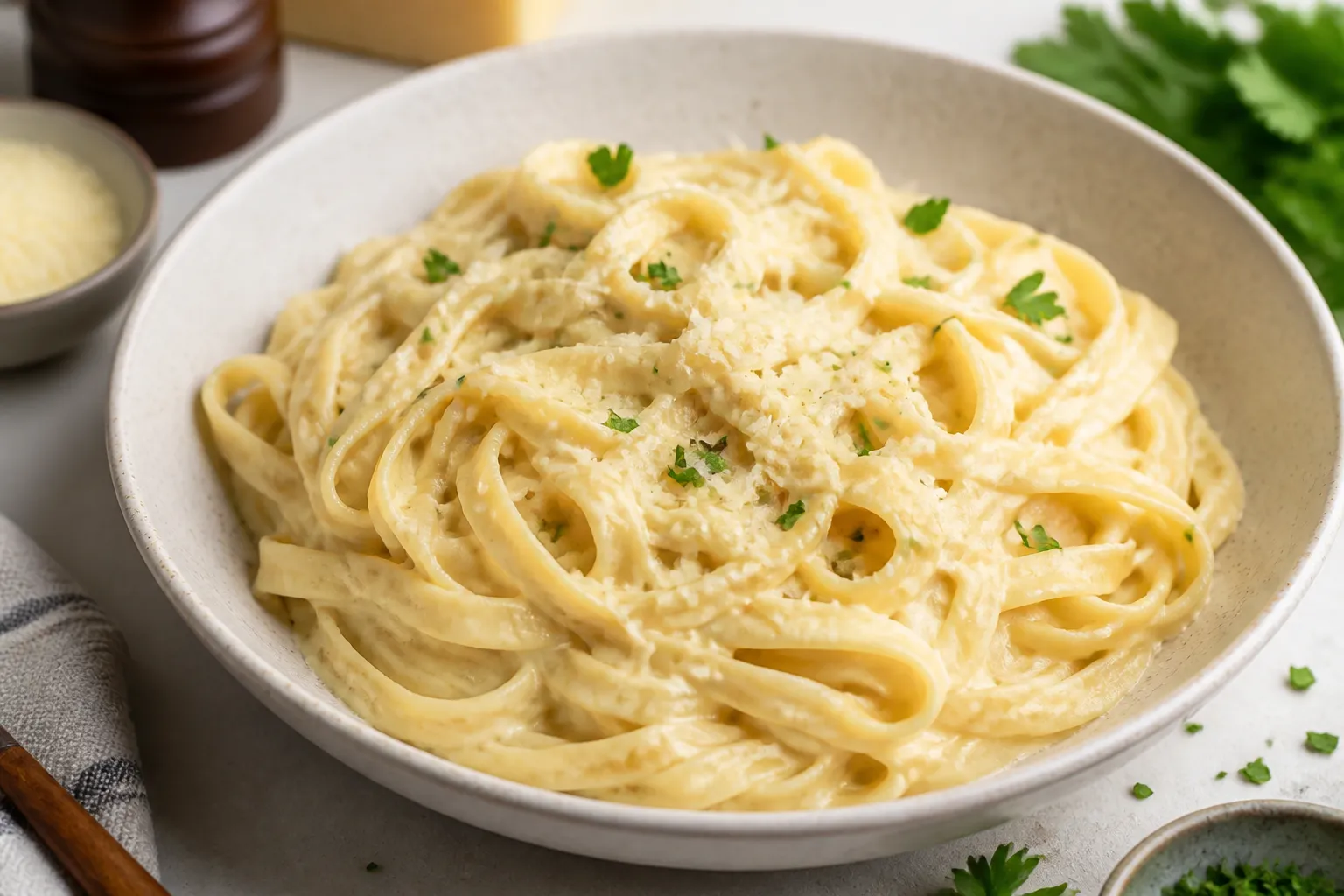
Alfredo pasta is proof that simple ingredients can deliver big comfort.
With good butter, real Parmesan, and patient heat, you get a sauce that’s velvety and satisfying every time. Keep the technique gentle, save that pasta water, and season at the end. Once you’ve nailed the base, you can riff with veggies, chicken, or shrimp and still keep it weeknight easy.
Serve hot, top with extra cheese, and enjoy that perfect pasta-and-cheese moment.
Ingredients
Method
- Boil the pasta: Bring a large pot of well-salted water to a rolling boil. Add fettuccine and cook until just shy of al dente. Reserve 1 cup of pasta water before draining.
- Melt the butter: In a wide skillet over low heat, melt the butter gently. Don’t brown it. Add the garlic and cook for about 30 seconds until fragrant.
- Add the cream: Pour in the cream and a pinch of salt and pepper. Simmer on low heat for 2–3 minutes, just until slightly thickened. Keep it gentle; you don’t want it to boil hard.
- Whisk in Parmesan: Take the pan off the heat. Sprinkle in the Parmesan in small handfuls, whisking constantly until smooth. If it’s too thick, add a splash of pasta water to loosen.
- Toss with pasta: Add the drained pasta to the sauce and toss over low heat for 1–2 minutes. Add pasta water, a little at a time, until the sauce turns glossy and coats the noodles.
- Taste and finish: Adjust salt, add more pepper, and a touch of lemon zest if you like. Top with extra Parmesan and chopped parsley.
- Serve immediately: Alfredo is best hot and fresh while the sauce is silky and fluid.
Printable Recipe Card
Want just the essential recipe details without scrolling through the article? Get our printable recipe card with just the ingredients and instructions.