Alfredo Pasta, Food. Pasta and Cheese – A Comforting Classic Done Right
Creamy, cheesy, and wonderfully simple, Alfredo pasta is the kind of meal that feels like a warm hug. It comes together quickly with a handful of everyday ingredients, yet tastes like something you’d order at a cozy trattoria.
This version keeps things classic: velvety sauce, perfectly cooked pasta, and a rich finish of Parmesan. Whether you’re cooking for a weeknight dinner or treating guests, it delivers every time. And if you want to tweak it—lighter, richer, or with add-ins—you’ll find easy ways to do that too.
Why This Recipe Works
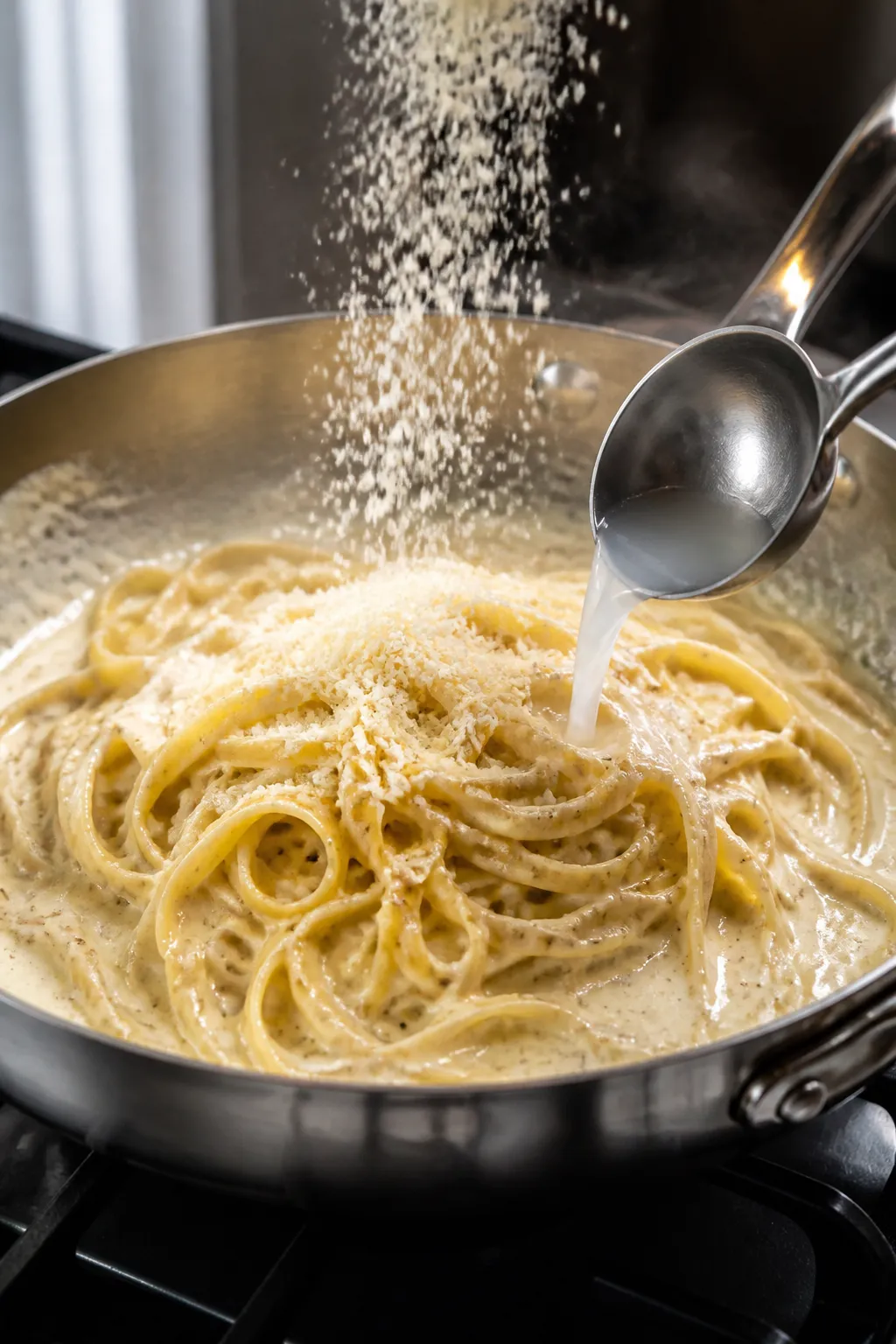
This Alfredo leans on the power of good technique and quality ingredients.
Real butter and cream create a smooth base that coats pasta without clumping. Freshly grated Parmesan melts evenly and adds savory depth you can’t get from pre-grated cheese. Finishing the sauce with a splash of pasta cooking water gives it that silky restaurant-style texture.
With gentle heat and a little stirring, the sauce turns glossy and wonderfully clingy.
What You’ll Need
- Pasta: Fettuccine is traditional, but linguine, tagliatelle, or even short shapes like penne work.
- Unsalted butter: The backbone of the sauce; choose good-quality butter for best flavor.
- Heavy cream: Provides body and richness. Half-and-half can work for a lighter version.
- Parmesan cheese: Freshly grated. Avoid pre-shredded blends; they often contain anti-caking agents.
- Garlic (optional): One small clove, minced, for subtle aroma.
- Salt and black pepper: To season the pasta water and finish the dish.
- Nutmeg (optional): A tiny pinch to warm up the flavor.
- Fresh parsley (optional): Chopped, for color and freshness.
- Pasta cooking water: Starchy liquid that helps emulsify and loosen the sauce.
Step-by-Step Instructions
- Boil the pasta: Bring a large pot of well-salted water to a rolling boil.
Add pasta and cook until just shy of al dente, usually 1 minute less than package directions. Reserve 1 cup of pasta water before draining.
- Warm the butter and cream: In a large skillet over low heat, melt the butter. Add the cream and whisk gently until combined and steaming, not boiling.
If using garlic, add it now and cook 30 seconds.
- Season the base: Add a pinch of salt, a few grinds of black pepper, and a whisper of nutmeg if you like. Keep the heat low to prevent separation.
- Add the pasta: Transfer drained pasta straight into the skillet. Toss to coat so the noodles start absorbing the sauce.
- Incorporate the Parmesan: Sprinkle in the grated Parmesan in small handfuls, tossing constantly.
Add a splash of reserved pasta water as needed to keep the sauce loose and glossy.
- Adjust texture: Continue tossing over low heat until the sauce clings to the pasta and looks silky. Add more pasta water in small amounts to reach your ideal creaminess.
- Taste and finish: Adjust salt and pepper. Remove from heat.
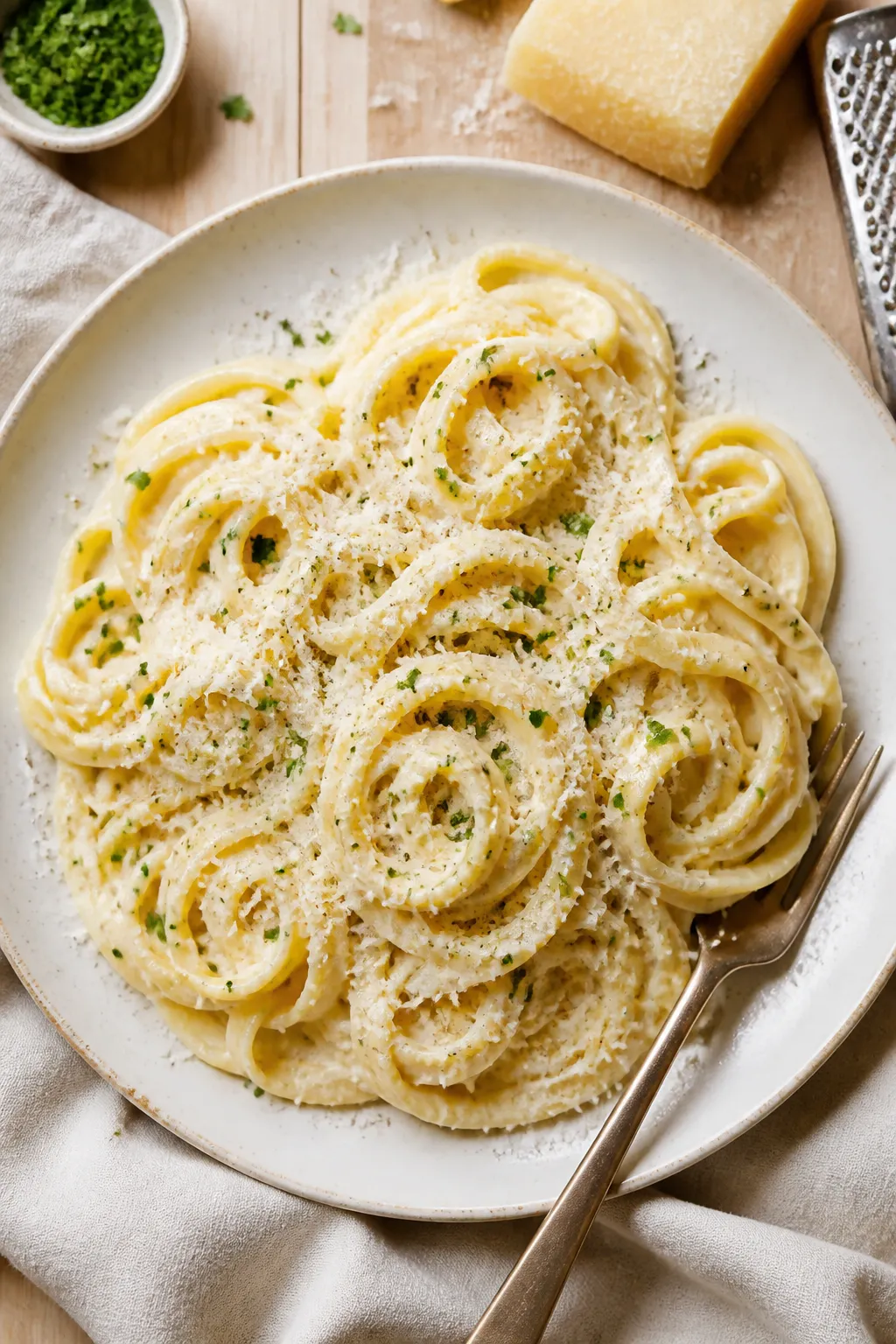
Top with more Parmesan and a sprinkle of parsley if desired. Serve immediately while the sauce is at its best.
Keeping It Fresh
Leftover Alfredo can be tricky because cream sauces thicken as they cool. Store pasta in an airtight container in the fridge for up to 2 days.
To reheat, add a splash of water, milk, or cream to a skillet over low heat, then gently warm the pasta, tossing until smooth again. Avoid the microwave if possible; it can cause the sauce to separate. If you must microwave, use low power and stir every 20–30 seconds with a touch of liquid.
Benefits of This Recipe
- Quick and simple: From pot to plate in about 20 minutes, perfect for busy nights.
- Short ingredient list: You likely have most items on hand already.
- Comfort factor: Creamy, cheesy, and satisfying—great for family meals.
- Highly adaptable: Add chicken, shrimp, or vegetables without changing the base method.
- Restaurant feel at home: The pasta water trick and fresh cheese make a big difference in texture.
Pitfalls to Watch Out For
- High heat: Boiling the cream can cause the sauce to split.
Keep the heat low and steady.
- Pre-grated cheese: It often won’t melt smoothly and can make the sauce grainy.
- Undersalting the pasta water: The sauce relies on well-seasoned pasta. Salt your water generously.
- Overcooking pasta: Soft noodles won’t hold up in a creamy sauce. Aim for al dente.
- Skipping the pasta water: That starchy liquid is your secret to a silky, cohesive sauce.
Variations You Can Try
- Garlic-Parmesan Alfredo: Gently sauté 2 cloves of minced garlic in butter before adding cream for a bolder aroma.
- Lighter Alfredo: Use half-and-half and reserve some pasta water to help emulsify.
Expect a thinner, but still tasty sauce.
- Vegetable boost: Add steamed broccoli florets, sautéed mushrooms, peas, or wilted spinach right before the Parmesan.
- Lemon Alfredo: Stir in 1 teaspoon lemon zest and a squeeze of juice for brightness that cuts the richness.
- Protein add-ins: Toss in cooked chicken, seared shrimp, or crispy pancetta for a heartier plate.
- Black pepper kick: Finish with lots of freshly cracked pepper for a cacio e pepe vibe.
- Herb finish: Swap parsley for chives or basil for a fresh twist.
FAQ
Can I use milk instead of cream?
Milk alone tends to make the sauce thin and more likely to curdle. If you want lighter, use half-and-half and rely on pasta water and gentle heat to help the sauce emulsify.
What type of Parmesan is best?
Use a wedge of real Parmigiano Reggiano or good-quality Parmesan and grate it finely right before cooking. It melts smoothly and gives the sauce its signature flavor.
How do I prevent the sauce from separating?
Keep the heat low, add cheese gradually, and stir constantly.
A small splash of pasta water helps bind the sauce. Avoid boiling after the cheese goes in.
Can I make it ahead?
This dish is best fresh. You can prep ingredients in advance—grate cheese, chop parsley, and measure cream—but cook the sauce and toss with pasta just before serving.
Is Alfredo the same as the Italian original?
The classic Roman version is simply pasta with butter and Parmesan, no cream.
This recipe is the American-style creamy Alfredo that’s become a favorite in many homes and restaurants.
Which pasta shape works best?
Fettuccine is traditional because its flat ribbons hold the sauce well. Linguine, tagliatelle, or even rigatoni also work nicely.
How salty should the pasta water be?
It should taste like the sea. That seasoning penetrates the noodles and balances the rich sauce without oversalting later.
Can I add garlic without overpowering the sauce?
Yes.
Use one small clove, minced, and cook it briefly on low heat in butter. You want fragrance, not browning.
Final Thoughts
Alfredo pasta is proof that simple ingredients, treated with care, can be spectacular. With good butter, real Parmesan, and gentle heat, you’ll get a sauce that’s rich, smooth, and comforting every time.
Keep a little pasta water handy, taste as you go, and serve it hot. From there, you can keep it classic or make it your own with fresh herbs, veggies, or protein. Either way, it’s a dependable, crowd-pleasing favorite you’ll come back to again and again.
Ingredients
Method
- Boil the pasta: Bring a large pot of well-salted water to a rolling boil. Add pasta and cook until just shy of al dente, usually 1 minute less than package directions. Reserve 1 cup of pasta water before draining.
- Warm the butter and cream: In a large skillet over low heat, melt the butter. Add the cream and whisk gently until combined and steaming, not boiling. If using garlic, add it now and cook 30 seconds.
- Season the base: Add a pinch of salt, a few grinds of black pepper, and a whisper of nutmeg if you like. Keep the heat low to prevent separation.
- Add the pasta: Transfer drained pasta straight into the skillet. Toss to coat so the noodles start absorbing the sauce.
- Incorporate the Parmesan: Sprinkle in the grated Parmesan in small handfuls, tossing constantly. Add a splash of reserved pasta water as needed to keep the sauce loose and glossy.
- Adjust texture: Continue tossing over low heat until the sauce clings to the pasta and looks silky. Add more pasta water in small amounts to reach your ideal creaminess.
- Taste and finish: Adjust salt and pepper. Remove from heat. Top with more Parmesan and a sprinkle of parsley if desired. Serve immediately while the sauce is at its best.
Printable Recipe Card
Want just the essential recipe details without scrolling through the article? Get our printable recipe card with just the ingredients and instructions.