Alfredo Pasta, Food. Pasta and Cheese – Creamy, Comforting, and Simple
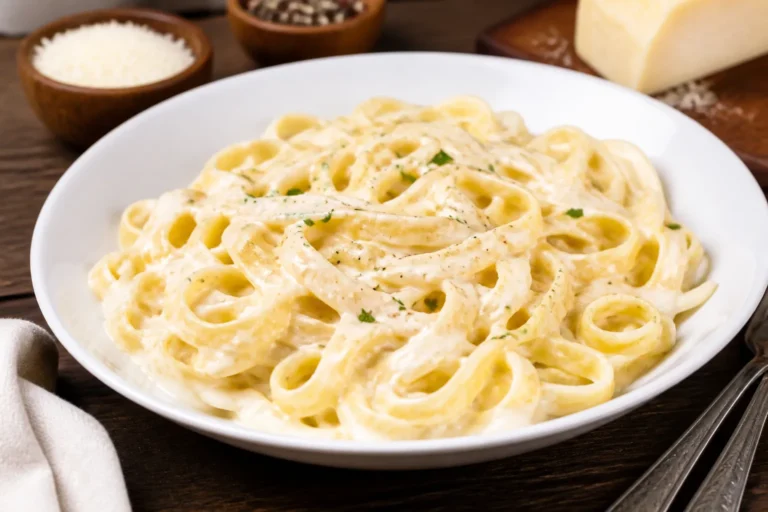
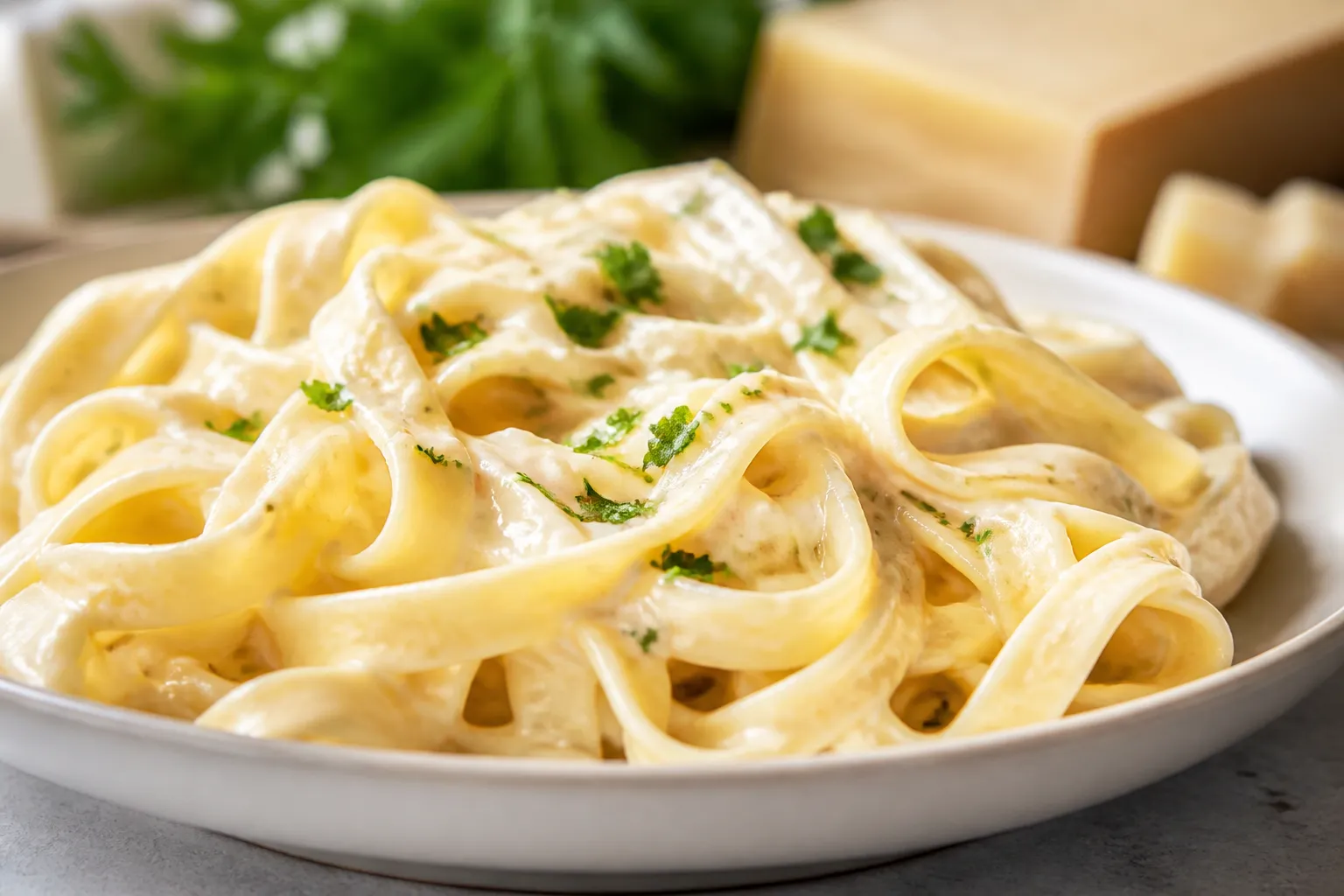
Alfredo pasta is one of those dishes that always feels like a warm hug. It’s rich, creamy, and all about the simple joy of pasta and cheese.
You don’t need fancy techniques or rare ingredients to make it great. With a few basics and a little attention to timing, you can get restaurant-level results at home. This version stays true to the classic spirit while being practical for weeknights.
What Makes This Recipe So Good
This Alfredo keeps the focus on fresh flavor and silky texture.
Real butter and cream create a smooth base that coats every strand of pasta. Freshly grated Parmesan gives the sauce a nutty depth and a clean finish.
It also comes together fast. From boiling water to serving, you can have dinner on the table in under 30 minutes.
The steps are simple, and there’s plenty of room to customize with chicken, shrimp, or vegetables if you want more protein or color.
Most importantly, it’s balanced. The sauce is rich, but not heavy or gloppy. The starch from the pasta water helps it cling beautifully without clumping.
Shopping List
- Fettuccine or linguine: Traditional choice for Alfredo; use high-quality dried pasta or fresh if you prefer.
- Unsalted butter: Good butter makes a difference in flavor and texture.
- Heavy cream: For a smooth, stable sauce; avoid half-and-half for the classic result.
- Parmesan cheese: Freshly grated from a block; avoid pre-grated tubs that contain anti-caking agents.
- Garlic: Optional but recommended for gentle aroma; one to two cloves.
- Salt: Kosher or sea salt for seasoning and salting pasta water.
- Black pepper: Freshly ground adds warmth; white pepper works if you want a paler sauce.
- Nutmeg (optional): A pinch can lift the cream sauce.
- Fresh parsley (optional): For garnish and a touch of freshness.
How to Make It
- Boil the pasta: Bring a large pot of well-salted water to a rolling boil.
Add the pasta and cook until al dente. Reserve about 1 cup of pasta water before draining.
- Start the sauce base: While the pasta cooks, melt the butter in a large skillet over medium heat. If using garlic, add it and cook for 30–60 seconds until fragrant, not browned.
- Add the cream: Pour in the heavy cream and gently simmer for 2–3 minutes, stirring often.
You want small bubbles, not a rolling boil.
- Season lightly: Add a pinch of salt, a grind or two of pepper, and a tiny pinch of nutmeg if using. Remember the Parmesan is salty, so go easy for now.
- Stir in the cheese: Lower the heat and add the freshly grated Parmesan a handful at a time, stirring until melted and smooth. If the sauce seems too thick, add a splash of pasta water to loosen it.
- Toss with pasta: Add the drained pasta directly to the skillet.
Toss and turn with tongs for 1–2 minutes so the sauce clings and the starch emulsifies with the butter and cheese.
- Adjust texture: Add more pasta water, a tablespoon at a time, until the sauce is glossy and silky. It should coat the pasta without puddling.
- Taste and finish: Adjust salt and pepper. Remove from heat.
Sprinkle with chopped parsley if you like and serve immediately, with extra Parmesan at the table.
Storage Instructions
Alfredo pasta is best eaten right away because the sauce thickens as it cools. If you have leftovers, store them in an airtight container in the fridge for up to 3 days. Add a splash of milk or cream when reheating to loosen the sauce.
Reheat gently on the stovetop over low heat, stirring constantly.
The microwave works in short bursts, but be careful not to overheat or the sauce can separate. Freezing isn’t ideal for cream sauces; the texture becomes grainy.
Why This is Good for You
It’s comfort food, but there are still benefits. Parmesan provides protein and calcium, and it’s naturally lower in moisture, so a little goes a long way for flavor. Butter and cream offer satisfaction and help you feel full with a smaller portion.
Most importantly, making it at home gives you control. You can choose high-quality ingredients, adjust the salt, and balance your plate with a side of vegetables or a crisp salad.
Pairing it with greens and mindful portions makes it a smarter indulgence.
What Not to Do
- Don’t use pre-grated Parmesan with additives: It won’t melt smoothly and can make the sauce gritty.
- Don’t boil the cream hard: High heat can cause separation. Keep it at a gentle simmer.
- Don’t skip the pasta water: The starch is key to a silky, cohesive sauce.
- Don’t overcook the pasta: It will continue to soften in the sauce. Aim for a firm al dente.
- Don’t walk away: Alfredo moves fast.
Have everything grated and ready before you start.
Recipe Variations
- Chicken Alfredo: Sear sliced chicken breasts in olive oil with salt and pepper. Remove, make the sauce, then toss chicken back in at the end.
- Shrimp Alfredo: Cook shrimp in butter and garlic until just pink, 2–3 minutes. Set aside and fold into the finished pasta.
- Broccoli or peas: Add blanched broccoli florets or thawed peas for color and a bit of sweetness.
- Lighter cream: Use a 50/50 mix of milk and cream and emulsify carefully with extra Parmesan and pasta water.
Sauce will be thinner but still tasty.
- Gorgonzola twist: Stir in a small amount of mild blue cheese with the Parmesan for a bold, savory edge.
- Lemon zest: Grate in a little lemon zest at the end for brightness without thinning the sauce.
- Gluten-free: Use good-quality gluten-free pasta and monitor cooking time closely; it softens fast.
- Herb finish: Chives or basil can replace parsley for a fresh note.
FAQ
Can I make Alfredo without cream?
Yes. A traditional Roman-style sauce uses just butter, pasta water, and aged cheese. It’s lighter and relies on vigorous tossing to emulsify.
For this style, use more pasta water and excellent cheese, and work quickly.
Why did my sauce get grainy?
Likely because the cheese wasn’t freshly grated or the heat was too high. Add cheese off the heat in small amounts and stir constantly. If needed, whisk in warm pasta water to smooth it out.
What pasta shape works best?
Fettuccine is classic because the flat noodles hold the sauce well.
Linguine, tagliatelle, or even short shapes like rigatoni can work. Choose something with enough surface area for the creamy coating.
Can I make it ahead?
It’s best made right before serving. If you must prepare parts ahead, grate the cheese and measure ingredients in advance.
Cook the pasta and finish the sauce just before eating for the best texture.
How salty should the pasta water be?
Salt the water so it tastes like the sea—roughly 1–2 tablespoons of kosher salt per gallon. Properly seasoned water is the foundation of flavorful pasta.
Is Parmesan the only cheese I should use?
Parmesan (Parmigiano Reggiano) is ideal for its melt and flavor. You can blend in some Pecorino Romano for a sharper bite, but use less since it’s saltier.
Avoid soft, high-moisture cheeses that can make the sauce stringy.
How do I prevent the sauce from separating when reheating?
Reheat low and slow with a splash of milk, cream, or reserved pasta water. Stir constantly and avoid boiling. Small amounts warm more evenly than a large batch.
Can I add garlic without overpowering the sauce?
Yes.
Cook minced or grated garlic gently in butter just until fragrant. Keep it light so it supports the cheese and cream instead of dominating them.
What if my sauce is too thick?
Add warm pasta water a tablespoon at a time while tossing until the sauce loosens and shines. It should cling to the pasta without clumping or forming a heavy pool.
What if my sauce is too thin?
Lower the heat, add a bit more grated Parmesan, and toss.
The cheese will thicken the sauce. Avoid reducing it aggressively over high heat, which can cause separation.
In Conclusion
Alfredo pasta is all about comfort built on simple technique. With good butter, cream, and freshly grated Parmesan, you can make a glossy, satisfying sauce in minutes.
Keep the heat gentle, save your pasta water, and toss until silky. Serve hot, enjoy right away, and don’t be afraid to make it your own with a vegetable or protein twist. It’s the kind of pasta that turns any night into something special.
Printable Recipe Card
Want just the essential recipe details without scrolling through the article? Get our printable recipe card with just the ingredients and instructions.