Thanksgiving Mashed Potatoes – Creamy, Comforting, and Crowd-Pleasing
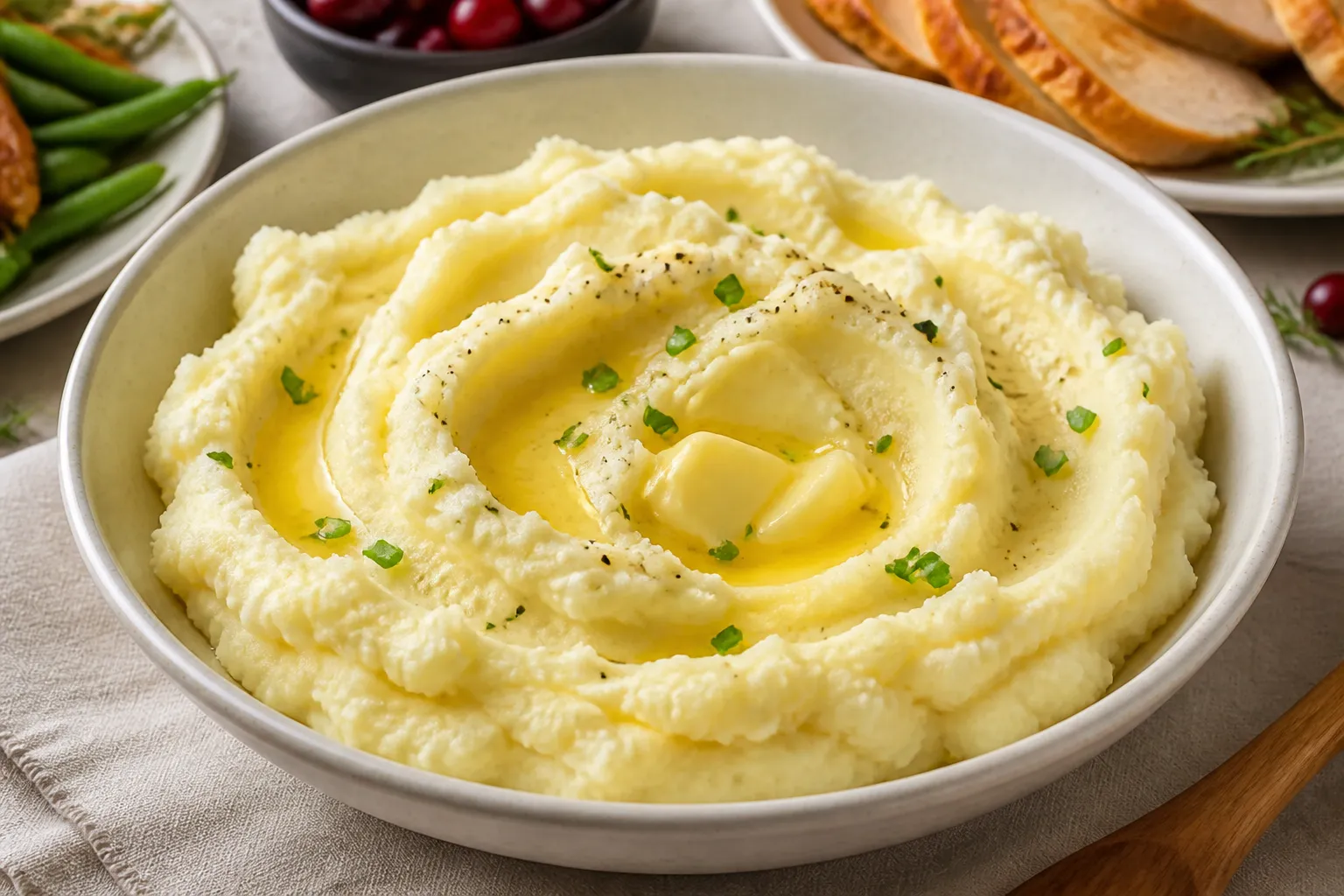
Mashed potatoes are often the quiet hero of the Thanksgiving table. They’re simple, nostalgic, and universally loved. The goal isn’t just fluffiness—it’s a bowl of silky, buttery potatoes that feel like a warm hug.
This recipe gives you rich flavor, a smooth texture, and just enough structure to hold gravy. With a few smart steps and the right ingredients, you’ll get picture-perfect potatoes without fuss.
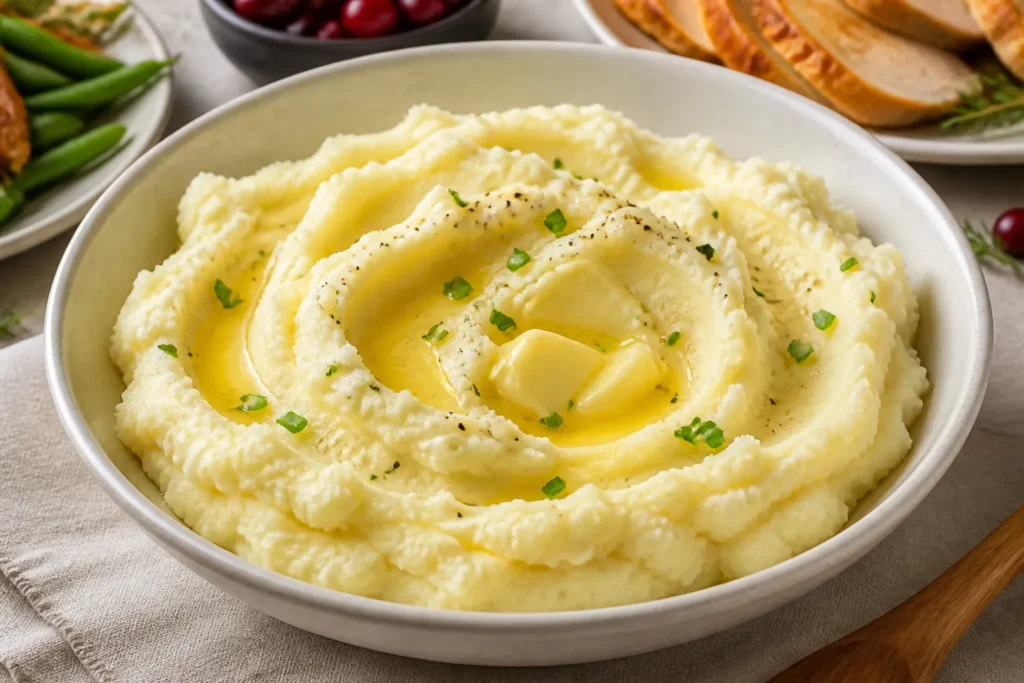
Why This Recipe Works
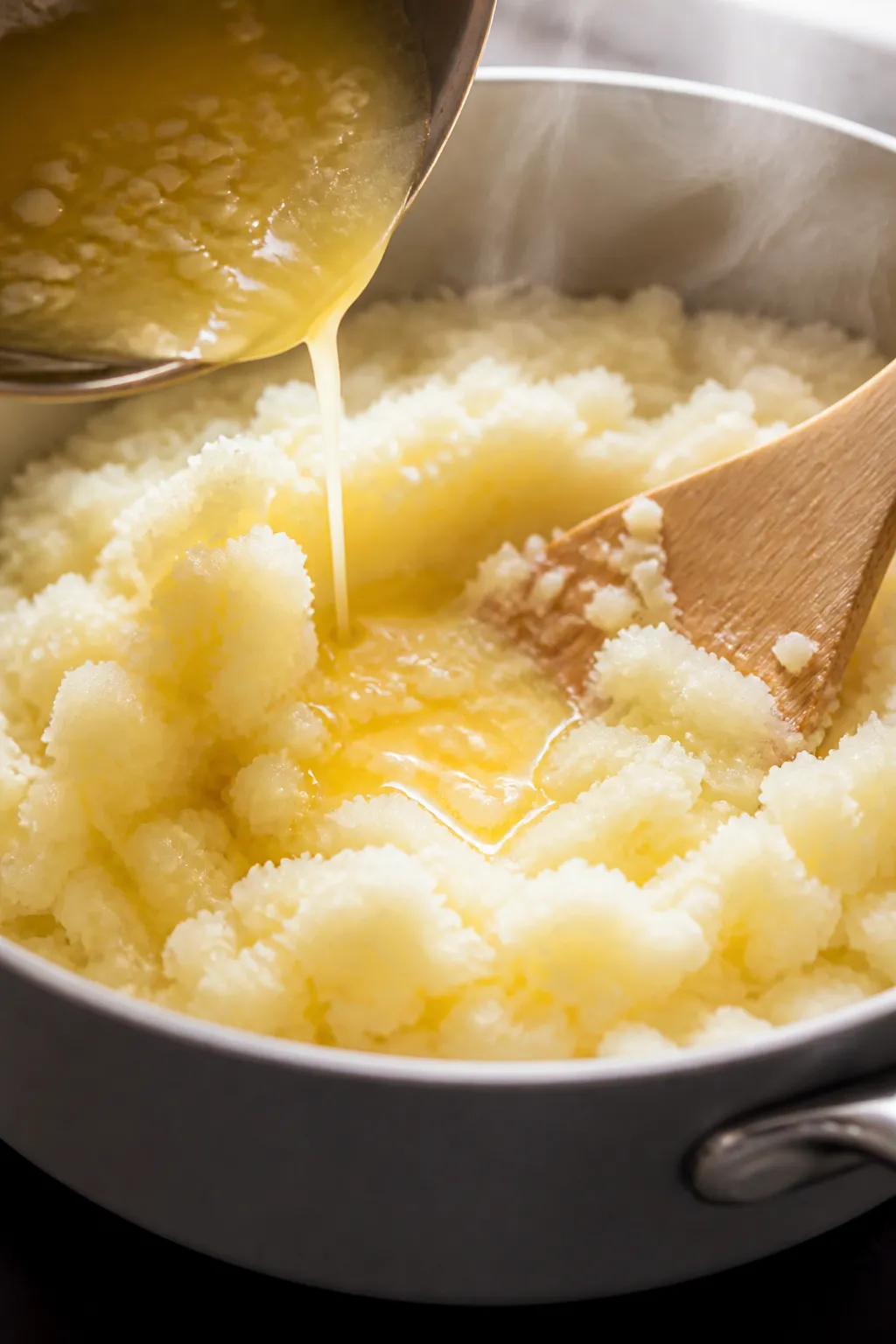
This recipe strikes a balance between creamy and sturdy by combining starchy potatoes with the right amount of dairy. Russet or Yukon Gold potatoes whip up fluffy yet smooth, and a splash of cream adds richness without turning them soupy. Heating the butter and dairy before adding prevents gumminess and helps the potatoes absorb flavor evenly. A little salt in the cooking water seasons the potatoes from the inside out, so you don’t have to overcompensate later.
And finishing with a simple garlic-butter infusion keeps the flavor classic but special.
Ingredients
- 3 pounds Russet or Yukon Gold potatoes, peeled and cut into 1 1/2-inch chunks
- 2 teaspoons kosher salt, plus more to taste
- 6 tablespoons unsalted butter, divided (more for serving, if you like)
- 3/4 to 1 cup whole milk or heavy cream, warmed
- 1/4 cup sour cream (optional for extra tang and creaminess)
- 2 cloves garlic, smashed (optional, for infused butter)
- Freshly ground black pepper, to taste
- Chives or parsley, finely chopped (optional garnish)
Step-by-Step Instructions
- Prep the potatoes: Peel and cut the potatoes into even chunks so they cook at the same rate. Rinse briefly under cold water to remove excess surface starch.
- Start in cold water: Place the potatoes in a large pot and cover with cold water by about an inch. Add 2 teaspoons of kosher salt.
Starting cold ensures even cooking from edge to center.
- Boil until tender: Bring to a gentle boil, then reduce to a simmer. Cook 12–18 minutes, until a fork slides in easily without resistance but the pieces don’t fall apart.
- Warm the dairy: While potatoes cook, melt 4 tablespoons butter in a small saucepan with the smashed garlic (if using). Add the milk or cream and heat just until warm.
Remove garlic and discard. Warm dairy blends more smoothly and keeps the mash fluffy.
- Drain well and dry: Drain the potatoes thoroughly. Return them to the hot pot over low heat for 1–2 minutes, shaking gently to steam off excess moisture.
Dry potatoes = creamier mash.
- Mash your way: Use a potato masher for rustic texture, a ricer for ultra-smooth results, or a food mill for something in between. Avoid a food processor or blender—they can make potatoes gluey.
- Add fat first: Add the warm butter mixture to the dry potatoes and fold gently. Fat coats the starch granules, which helps prevent gumminess.
- Adjust with dairy: Gradually add warm milk or cream until you reach your ideal consistency.
Stir gently to keep air in the mash and avoid overworking.
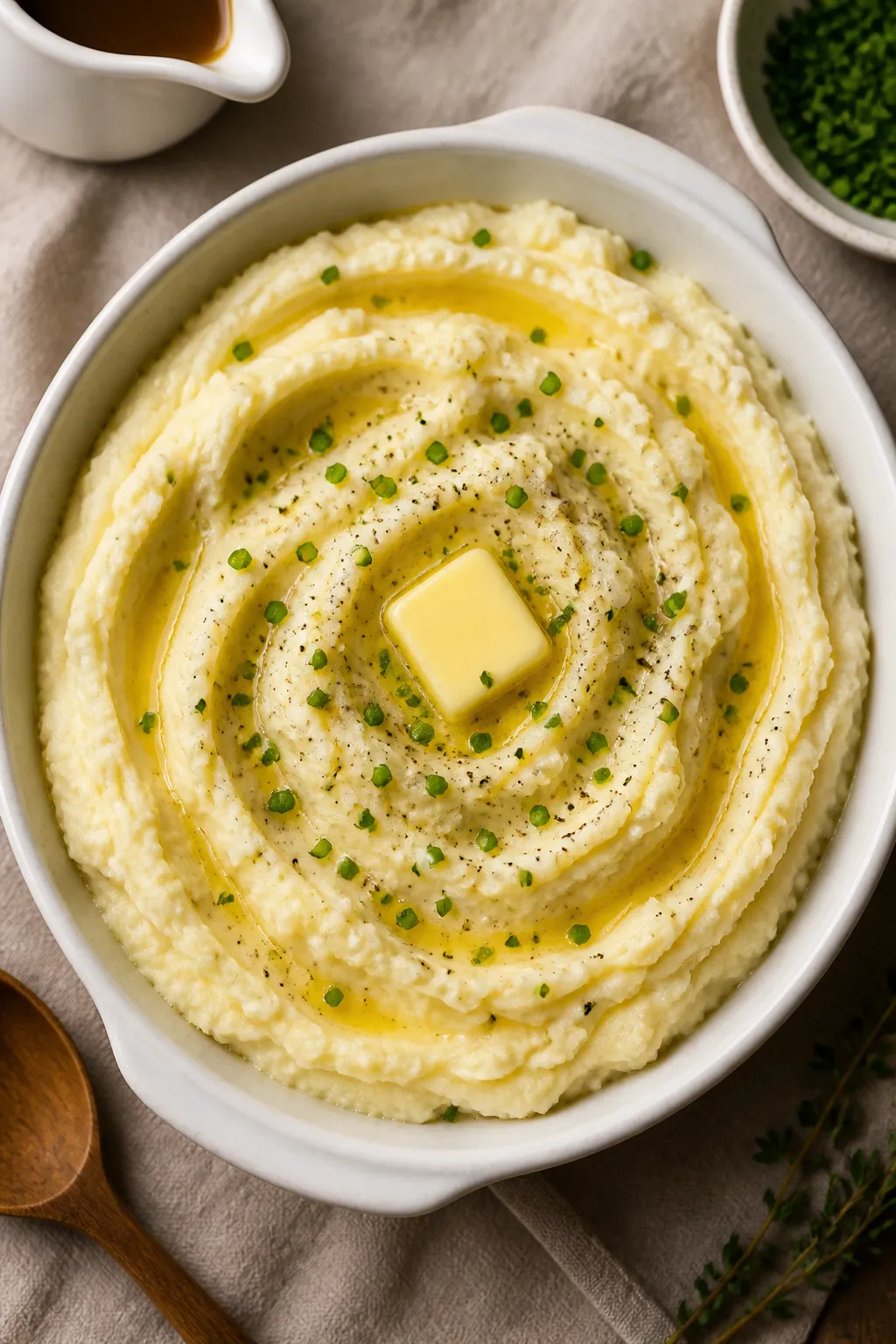
- Finish with tang and seasoning: Fold in sour cream, if using. Season with salt and black pepper to taste. Add the remaining 2 tablespoons of butter on top to melt for a glossy finish.
- Garnish and serve: Sprinkle with chopped chives or parsley, if you like.
Serve hot, ideally in a warmed bowl so the mash stays creamy longer.
How to Store
- Refrigerate: Store leftovers in an airtight container for up to 4 days. Press plastic wrap directly onto the surface to reduce dryness.
- Freeze: Mashed potatoes freeze well if they contain enough fat. Cool completely, then freeze for up to 2 months.
Thaw overnight in the fridge.
- Reheat: Warm gently on the stove over low heat or in the microwave at 50% power, stirring occasionally. Add a splash of warm milk or cream and a knob of butter to restore silkiness.
- Make-ahead tip: For Thanksgiving, make 1–2 days ahead. Reheat in a covered baking dish at 325°F, stirring once or twice and adding warm cream if needed.
Why This is Good for You
Comfort food can still offer a few perks. Potatoes provide potassium, vitamin C, and fiber (especially if you leave some skins on).
Using real butter and dairy means fewer additives and a cleaner ingredient list than many pre-made mixes. If you choose milk over heavy cream, you can reduce saturated fat while keeping a creamy texture. Portion sizes matter too—a satisfying scoop alongside protein and veggies fits into a balanced plate.
Pitfalls to Watch Out For
- Gluey texture: Overmixing or using a blender/food processor makes potatoes gummy.
Mash gently and stop when smooth.
- Waterlogged potatoes: Not draining well or skipping the drying step leads to watery mash. Steam off moisture in the hot pot before adding dairy.
- Flat flavor: Skipping salt in the cooking water is a common mistake. Season early and adjust at the end.
- Cold dairy: Cold milk seizes the starch and dulls the texture.
Warm dairy blends in smoothly and keeps potatoes fluffy.
- Wrong potato type: Waxy potatoes can become dense. Use Russet or Yukon Gold for the best texture.
Variations You Can Try
- Roasted Garlic: Roast a whole head of garlic until soft and sweet, then squeeze into the mash for mellow, rich flavor.
- Brown Butter: Cook butter until golden and nutty, then fold it in for a deeper, toasty note.
- Herb and Cream Cheese: Add cream cheese and chopped chives or dill for a tangy, herby twist.
- Parmesan and Black Pepper: Stir in finely grated Parmesan and plenty of cracked pepper for a savory bite.
- Buttermilk Mash: Swap part of the dairy for buttermilk to add tang and lighten the texture.
- Olive Oil Option: For a lighter or dairy-limited version, use extra-virgin olive oil and warm vegetable broth in place of some butter and cream.
- Skin-On Rustic: Leave some or all of the skins on for texture and extra nutrients, especially with Yukon Golds.
FAQ
What’s the best potato for mashed potatoes?
Russets and Yukon Golds are the best choices. Russets make light, fluffy mash, while Yukon Golds are naturally creamy and buttery.
Many cooks use a 50/50 blend for the ideal texture.
Can I make mashed potatoes ahead of time?
Yes. Make them up to 2 days ahead, then reheat gently with a little warm milk or cream and a pat of butter. Keep them covered to avoid drying out.
How do I keep mashed potatoes warm for serving?
Transfer to a warm, covered dish and keep in a low oven (around 200°F) for up to an hour.
You can also hold them in a slow cooker on the “warm” setting with a splash of cream to prevent drying.
Why did my mashed potatoes turn gluey?
They were likely overworked or processed in a blender or food processor. Mash by hand, use a ricer, and add fat first, then warm dairy gradually.
Can I use half-and-half instead of cream?
Absolutely. Half-and-half gives a rich texture without being as heavy as cream.
Just warm it before adding so it incorporates smoothly.
How much salt should I use?
Salt the cooking water generously—think like pasta water. Start with 2 teaspoons for 3 pounds of potatoes, then taste and adjust the finished mash as needed.
What can I add if my mash is too thick?
Warm a little more milk or cream and stir it in gradually until you reach your preferred consistency. Add a bit of butter if the flavor needs rounding out.
Is sour cream necessary?
No, but it adds a nice tang and extra creaminess.
If you skip it, consider a touch more butter or a splash of buttermilk for balance.
Can I make this dairy-free?
Yes. Use olive oil or a dairy-free butter and warm unsweetened oat or almond milk. A bit of vegetable broth can help loosen the mash while keeping it flavorful.
How many people does this recipe serve?
Three pounds of potatoes typically serves 6–8 people as a side, depending on portion size and how many other sides are on the table.
Wrapping Up
These Thanksgiving mashed potatoes are all about reliable technique and simple, honest ingredients.
With warm dairy, the right potatoes, and gentle mashing, you’ll get a bowl that’s silky, flavorful, and ready for gravy. Make them ahead if you like, dress them up with a variation, or keep them classic. Either way, you’ll have a comforting staple that everyone will reach for twice.
Thanksgiving Mashed Potatoes – Creamy, Comforting, and Crowd-Pleasing
Ingredients
- 3 pounds Russet or Yukon Gold potatoes, peeled and cut into 1 1/2-inch chunks
- 2 teaspoons kosher salt, plus more to taste
- 6 tablespoons unsalted butter, divided (more for serving, if you like)
- 3/4 to 1 cup whole milk or heavy cream, warmed
- 1/4 cup sour cream (optional for extra tang and creaminess)
- 2 cloves garlic, smashed (optional, for infused butter)
- Freshly ground black pepper, to taste
- Chives or parsley, finely chopped (optional garnish)
Method
- Prep the potatoes: Peel and cut the potatoes into even chunks so they cook at the same rate. Rinse briefly under cold water to remove excess surface starch.
- Start in cold water: Place the potatoes in a large pot and cover with cold water by about an inch. Add 2 teaspoons of kosher salt. Starting cold ensures even cooking from edge to center.
- Boil until tender: Bring to a gentle boil, then reduce to a simmer. Cook 12–18 minutes, until a fork slides in easily without resistance but the pieces don’t fall apart.
- Warm the dairy: While potatoes cook, melt 4 tablespoons butter in a small saucepan with the smashed garlic (if using). Add the milk or cream and heat just until warm. Remove garlic and discard. Warm dairy blends more smoothly and keeps the mash fluffy.
- Drain well and dry: Drain the potatoes thoroughly. Return them to the hot pot over low heat for 1–2 minutes, shaking gently to steam off excess moisture. Dry potatoes = creamier mash.
- Mash your way: Use a potato masher for rustic texture, a ricer for ultra-smooth results, or a food mill for something in between. Avoid a food processor or blender—they can make potatoes gluey.
- Add fat first: Add the warm butter mixture to the dry potatoes and fold gently. Fat coats the starch granules, which helps prevent gumminess.
- Adjust with dairy: Gradually add warm milk or cream until you reach your ideal consistency. Stir gently to keep air in the mash and avoid overworking.
- Finish with tang and seasoning: Fold in sour cream, if using. Season with salt and black pepper to taste. Add the remaining 2 tablespoons of butter on top to melt for a glossy finish.
- Garnish and serve: Sprinkle with chopped chives or parsley, if you like. Serve hot, ideally in a warmed bowl so the mash stays creamy longer.
Notes
- Refrigerate: Store leftovers in an airtight container for up to 4 days. Press plastic wrap directly onto the surface to reduce dryness.
- Freeze: Mashed potatoes freeze well if they contain enough fat. Cool completely, then freeze for up to 2 months. Thaw overnight in the fridge.
- Reheat: Warm gently on the stove over low heat or in the microwave at 50% power, stirring occasionally. Add a splash of warm milk or cream and a knob of butter to restore silkiness.
- Make-ahead tip: For Thanksgiving, make 1–2 days ahead. Reheat in a covered baking dish at 325°F, stirring once or twice and adding warm cream if needed.
Let us know how it was! ♡