Live Garden Alfredo Sauce Recipe Copycat – Creamy, Comforting, and Easy
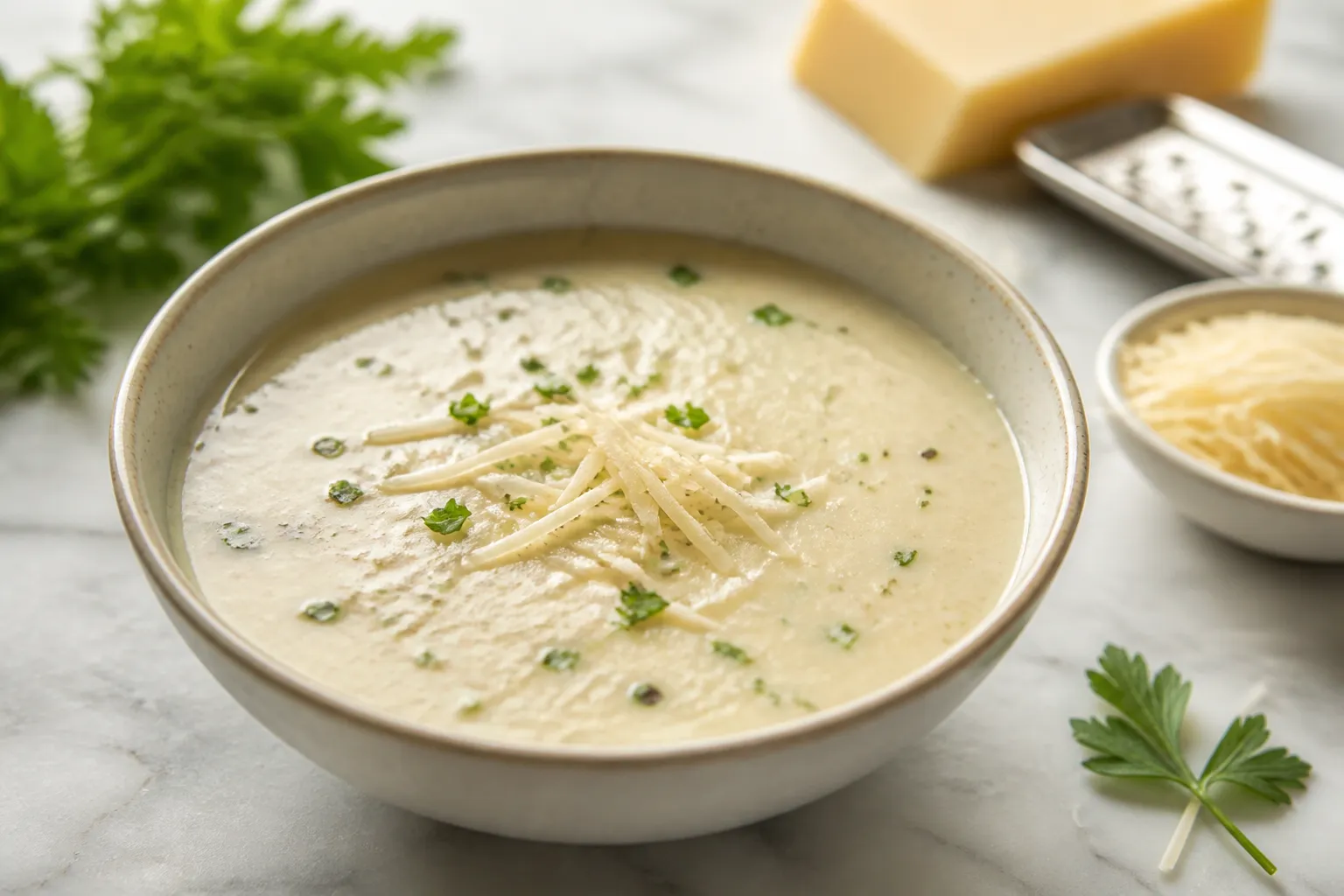
If you love a silky, restaurant-style Alfredo, this copycat version brings that same rich, garlicky comfort to your kitchen. It’s simple, fast, and made with real ingredients you probably have on hand. The texture is velvety without being heavy, and it clings beautifully to pasta.
You’ll get that familiar cheesy flavor, the gentle warmth of garlic, and a glossy finish that makes the whole dish feel special. Best of all, it comes together in one pan in under 20 minutes.
Why This Recipe Works
This Alfredo relies on a few staple ingredients and smart technique. Butter and cream give a smooth base, while a mix of Parmesan and Romano cheeses adds depth and that classic restaurant-style tang.
Fresh garlic blooms in butter for flavor without bitterness. Gentle heat and gradual cheese additions prevent clumping and graininess. A touch of pasta water helps the sauce hug noodles and stay silky.
What You’ll Need
- Butter (1/2 cup, unsalted) – For richness and a glossy base.
- Heavy cream (1 1/2 cups) – Creates that classic, velvety texture.
- Fresh garlic (2–3 cloves, minced) – Adds gentle, savory warmth.
- Parmesan cheese (1 cup, finely grated) – For nutty, salty flavor.
- Romano cheese (1/3 cup, finely grated) – Boosts sharpness and depth.
- Cream cheese (2 oz, optional) – Helps stabilize and thicken for that restaurant-like body.
- Salt and freshly ground black pepper – To season and balance.
- Nutmeg (a pinch, optional) – Subtle warmth that rounds out the cream.
- Fresh parsley (1–2 tablespoons, chopped, optional) – For color and freshness.
- Pasta water (2–4 tablespoons, as needed) – Loosens the sauce and improves cling.
- Cooked fettuccine or pasta of choice – Reserve some pasta water before draining.
Instructions

- Prep the cheese: Finely grate the Parmesan and Romano.
Finer shreds melt more smoothly and prevent a gritty sauce.
- Warm the base: In a large skillet over medium-low heat, melt the butter. Add the minced garlic and cook 30–60 seconds until fragrant, not browned.
- Add the cream: Pour in the heavy cream and whisk to combine. Bring to a gentle simmer, then reduce heat to low.
Let it bubble softly for 2–3 minutes to slightly thicken.
- Optional stabilizer: Whisk in the cream cheese until fully melted and smooth. This helps the sauce stay silky and restaurant-style without breaking.
- Season: Add a small pinch of salt, a few grinds of black pepper, and a tiny pinch of nutmeg if using. Go light on salt now; cheeses will add more.
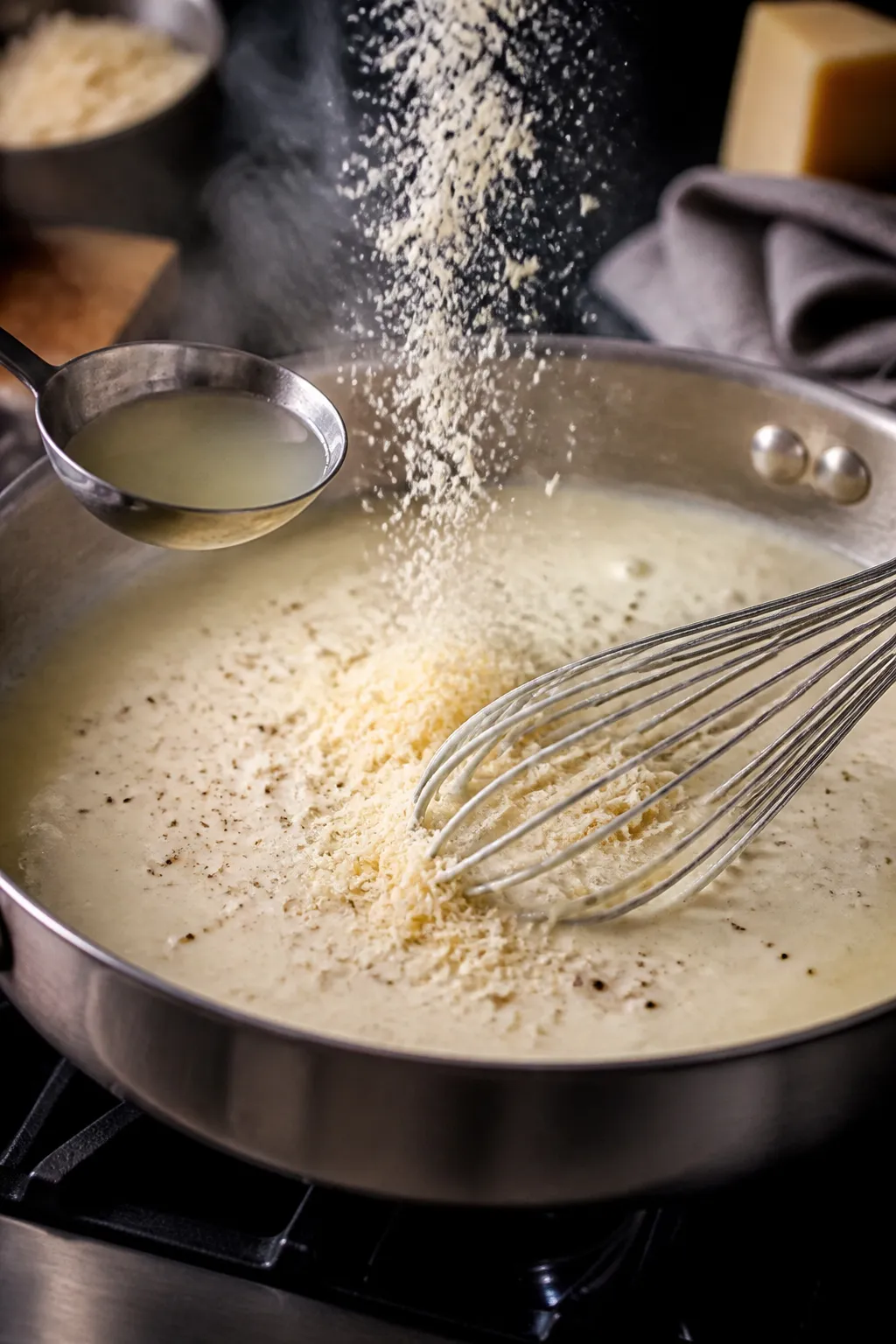
- Incorporate cheese slowly: With heat on low, add the Parmesan and Romano in small handfuls, whisking constantly until each addition melts before adding more.
Keep the sauce below a hard simmer to avoid graininess.
- Adjust texture: If the sauce seems too thick, whisk in 1–2 tablespoons of hot pasta water at a time. You want a glossy, pourable consistency that still clings to a spoon.
- Toss with pasta: Add cooked pasta directly to the sauce. Toss gently over low heat for 30–60 seconds, adding a splash more pasta water if needed to coat evenly.
- Taste and finish: Adjust salt and pepper.
Sprinkle with parsley for brightness. Serve immediately while it’s creamy and hot.
Storage Instructions
- Fridge: Store leftover sauce (or sauced pasta) in an airtight container for up to 3 days.
- Reheating: Warm gently over low heat with a splash of milk or cream and a spoonful of pasta water if available. Whisk to bring it back together.
Avoid boiling.
- Freezer: Not ideal. Cream sauces can separate when frozen and thawed. If you must, freeze sauce only (no pasta) up to 1 month and re-emulsify gently with extra cream when reheating.
Why This is Good for You
This isn’t health food, but it is real food made from whole ingredients. Fresh garlic offers antioxidants and flavor without added sugars. Real cheese brings protein and calcium, which can help you feel satisfied with a reasonable portion.
Cooking at home lets you control salt and portion sizes, and you can pair it with protein and veggies for a more balanced meal.
Pitfalls to Watch Out For
- Overheating: Boiling the sauce can cause the cheese to seize and turn grainy. Keep the heat low.
- Pre-shredded cheese: It often has anti-caking agents that don’t melt smoothly. Use freshly grated.
- Adding cheese too fast: Dumping it in all at once leads to clumps.
Add gradually and whisk.
- Under-seasoning: Taste at the end. The right amount of salt and pepper brings the sauce to life.
- Skipping pasta water: A few spoonfuls help the sauce cling and stay silky.
Alternatives
- Lighter version: Swap half the heavy cream for whole milk and keep the cream cheese for stability. Expect a thinner, still tasty sauce.
- Gluten-free: The sauce is naturally gluten-free.
Just use gluten-free pasta.
- Vegetarian-friendly: Use a vegetarian Parmesan-style cheese made without animal rennet.
- No Romano on hand: Use all Parmesan and add a pinch more salt and pepper for balance.
- Garlic profile: If you love garlic, add an extra clove or a pinch of garlic powder at the end to taste.
- Add-ins: Stir in sautéed mushrooms, blanched broccoli, grilled chicken, or shrimp for a complete meal.
- Herb twist: Finish with chopped basil or chives instead of parsley for a different aroma.
FAQ
Can I use half-and-half instead of heavy cream?
Yes, but the sauce will be thinner and more prone to breaking. If using half-and-half, keep the heat very low and consider adding 2–3 ounces of cream cheese to help stabilize and thicken.
Why did my Alfredo turn grainy?
Graininess usually comes from high heat, pre-shredded cheese, or adding cheese too quickly. Keep the sauce just warm enough to melt cheese, use freshly grated, and whisk in small handfuls.
What pasta pairs best with Alfredo?
Fettuccine is classic because its wide strands catch the sauce well.
Linguine, pappardelle, or even short shapes like rigatoni also work. Cook pasta al dente so it doesn’t get mushy in the sauce.
Can I make it without cream cheese?
Absolutely. Traditional Alfredo is just butter, cream, and cheese.
Cream cheese is optional for a steadier, restaurant-style texture. If skipping it, just be extra gentle with heat.
How salty should I make it?
Cheese adds salt, so season lightly at first. After the cheese melts and you’ve tossed the pasta, taste and adjust.
A final pinch of salt can make the flavors pop.
How do I reheat leftovers without breaking the sauce?
Warm slowly over low heat, adding a splash of milk, cream, or pasta water. Whisk or stir constantly. Avoid microwaving on high; if using a microwave, heat in short bursts and stir between.
Can I add wine?
Yes.
A couple of tablespoons of dry white wine can be added after sautéing garlic. Let it simmer 1–2 minutes to reduce before adding cream.
Is this safe for people with nut allergies?
Yes, the core ingredients don’t include nuts. Always check cheese labels and any add-ins to be sure, and avoid pesto or other nut-containing toppings.
Final Thoughts
This Live Garden Alfredo sauce recipe copycat delivers that classic, creamy comfort with simple steps and everyday ingredients.
Keep the heat low, use freshly grated cheese, and finish with a splash of pasta water for a silky, restaurant-style finish. It’s quick enough for weeknights and special enough for company—rich, satisfying, and reliably delicious every time.
Live Garden Alfredo Sauce Recipe Copycat - Creamy, Comforting, and Easy
Ingredients
- Butter (1/2 cup, unsalted) – For richness and a glossy base.
- Heavy cream (1 1/2 cups) – Creates that classic, velvety texture.
- Fresh garlic (2–3 cloves, minced) – Adds gentle, savory warmth.
- Parmesan cheese (1 cup, finely grated) – For nutty, salty flavor.
- Romano cheese (1/3 cup, finely grated) – Boosts sharpness and depth.
- Cream cheese (2 oz, optional) – Helps stabilize and thicken for that restaurant-like body.
- Salt and freshly ground black pepper – To season and balance.
- Nutmeg (a pinch, optional) – Subtle warmth that rounds out the cream.
- Fresh parsley (1–2 tablespoons, chopped, optional) – For color and freshness.
- Pasta water (2–4 tablespoons, as needed) – Loosens the sauce and improves cling.
- Cooked fettuccine or pasta of choice – Reserve some pasta water before draining.
Method
- Prep the cheese: Finely grate the Parmesan and Romano. Finer shreds melt more smoothly and prevent a gritty sauce.
- Warm the base: In a large skillet over medium-low heat, melt the butter. Add the minced garlic and cook 30–60 seconds until fragrant, not browned.
- Add the cream: Pour in the heavy cream and whisk to combine. Bring to a gentle simmer, then reduce heat to low. Let it bubble softly for 2–3 minutes to slightly thicken.
- Optional stabilizer: Whisk in the cream cheese until fully melted and smooth. This helps the sauce stay silky and restaurant-style without breaking.
- Season: Add a small pinch of salt, a few grinds of black pepper, and a tiny pinch of nutmeg if using. Go light on salt now; cheeses will add more.
- Incorporate cheese slowly: With heat on low, add the Parmesan and Romano in small handfuls, whisking constantly until each addition melts before adding more. Keep the sauce below a hard simmer to avoid graininess.
- Adjust texture: If the sauce seems too thick, whisk in 1–2 tablespoons of hot pasta water at a time. You want a glossy, pourable consistency that still clings to a spoon.
- Toss with pasta: Add cooked pasta directly to the sauce. Toss gently over low heat for 30–60 seconds, adding a splash more pasta water if needed to coat evenly.
- Taste and finish: Adjust salt and pepper. Sprinkle with parsley for brightness. Serve immediately while it’s creamy and hot.
Notes
- Fridge: Store leftover sauce (or sauced pasta) in an airtight container for up to 3 days.
- Reheating: Warm gently over low heat with a splash of milk or cream and a spoonful of pasta water if available. Whisk to bring it back together. Avoid boiling.
- Freezer: Not ideal. Cream sauces can separate when frozen and thawed. If you must, freeze sauce only (no pasta) up to 1 month and re-emulsify gently with extra cream when reheating.
Let us know how it was! ♡






One Comment